-
পরবাস
বাংলা ভাষা, সাহিত্য ও সংস্কৃতি
Parabaas, a Bengali webzine since 1997 ... ISSN 1563-8685 -
ছোটদের পরবাস
Satyajit Ray
Rabindranath Tagore
Buddhadeva Bose
Jibanananda Das
Shakti Chattopadhyay
সাক্ষাৎকার -
English
Written in English
Book Reviews
Memoirs
Essays
Translated into English
Stories
Poems
Essays
Memoirs
Novels
Drama

The Land Where
I Found It All-

Order Here for Free Shipping in India
-
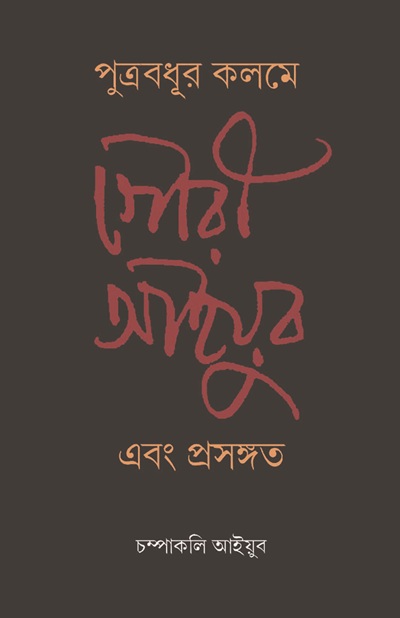
পুত্রবধূর কলমে গৌরী আইয়ুব এবং প্রসঙ্গত
-
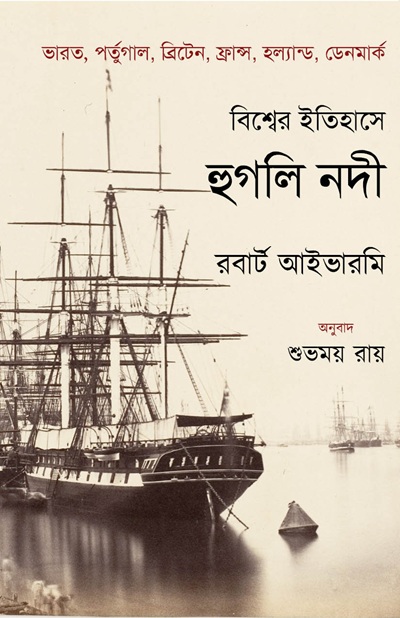
বিশ্বের ইতিহাসে হুগলি নদী
-
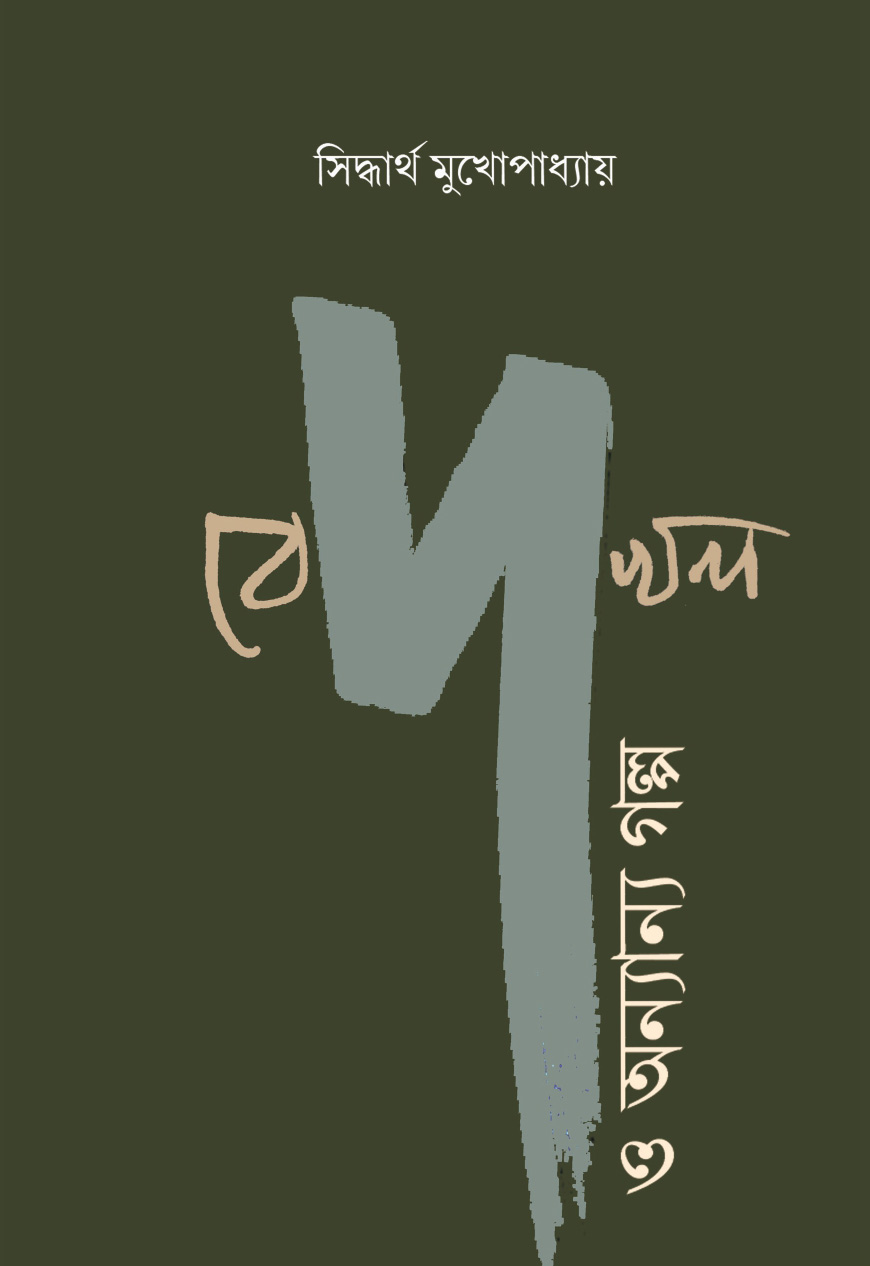
বেদখল ও অন্যান্য গল্প
-
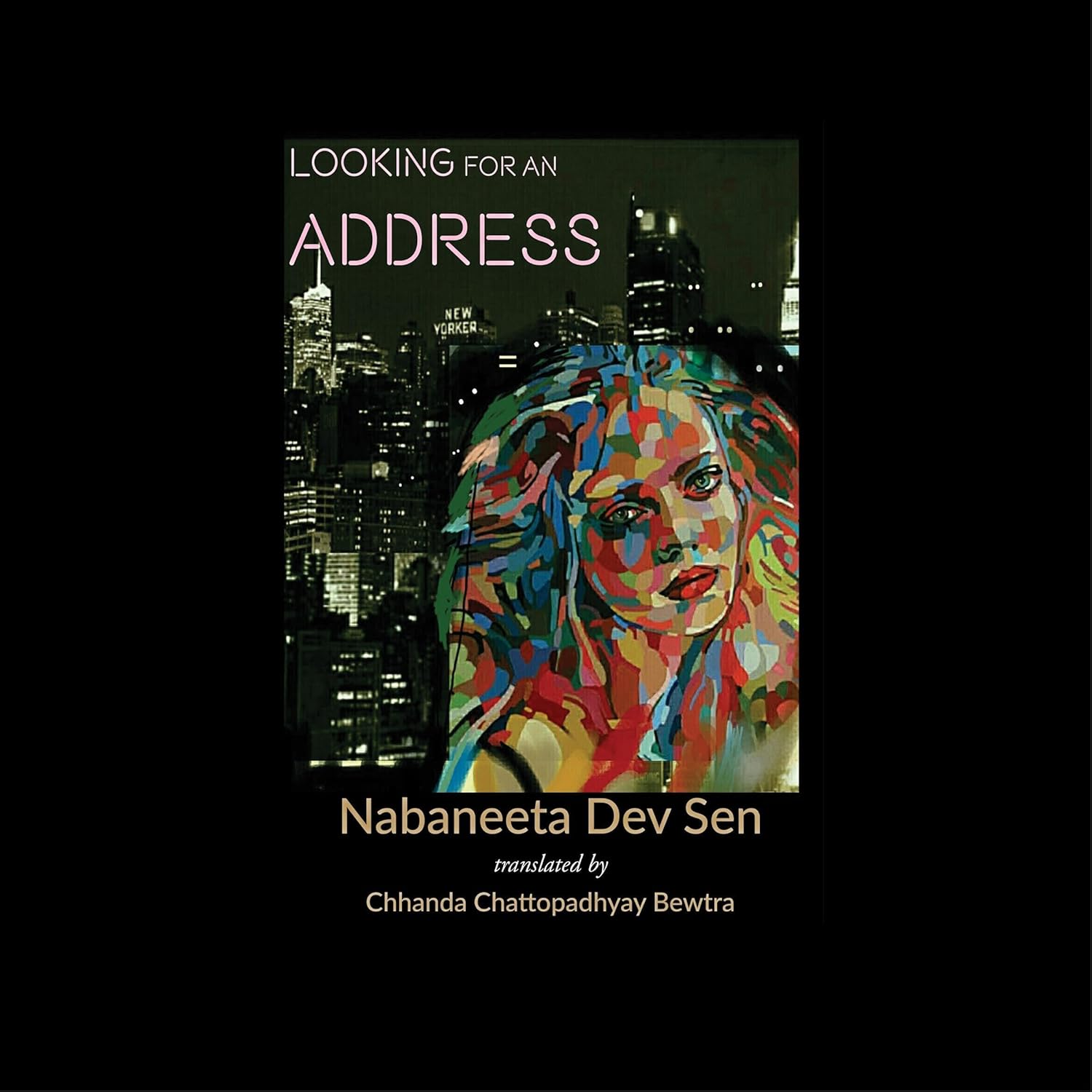
Audiobook
Looking For An Address
Nabaneeta Dev Sen
Available on Amazon, Spotify, Google Play, Apple Books and other platforms.
-

পরবাস গল্প সংকলন-
নির্বাচন ও সম্পাদনা:
সিদ্ধার্থ মুখোপাধ্যায়)
-

Parabaas : পরবাস : বাংলা ভাষা, সাহিত্য ও সংস্কৃতি -
পরবাস | English | Book-Review
Share -
A Charming Showcase : Susan Chacko
 Our Non-Veg Cow and other Stories; by Mahasweta Devi; Translated from Bengali by Paramita Banerjee; Seagull, Calcutta, 2000; ISBN: 81-7046-145-6
Pre-Independence, the large family in which Mahasweta Devi grew up were the norm rather than the exception; she was one of nine children. Fifty years later, she wrote stories about her 1930s-1940s childhood which were published in the well-known magazine Sandesh.
Chaotic high jinks are to be expected in a household with nine children plus aunts and uncles and in-laws and neighbours and friends, but in this case, the chaos was exacerbated by her father, who was famously absentminded.
Baba once invited ten of his friends for lunch. He went off to do the marketing and returned late in the afternoon with a perambulator for Aneesh, the youngest child.
In contrast, her mother seemed to calmly handle the constantly shifting household.
So many people! It was ma who had to take care of all the guests – their tea and snacks, lunch and dinner, sleeping arrangements, everything.
Until Ma went off to Pondicherry for a month… and here comes the story of the four hundred cauliflowers! (no spoilers here, you’ll have to read the book).
Mahasweta Devi’s four brothers are introduced in a chapter called ‘Those Boys!’, and a mischievous collection of boys they are indeed. Aneesh pretended to be a goody-goody, although given to slipping out at night to see the movies. Abu was a ‘silent fiend’. Tantu was an engineer, given to making such things as telescopes out of glass and tins. Many stories involve Phalgu, perhaps her favourite brother, who is ‘really a good kid’ but somehow drawn into naughty tricks, and grows up to be a ‘teller of tall tales’.
Her sisters are less prominent in this collection, although they appear occasionally (Buri had to deal with the cauliflowers).
And then there are the creatures around, especially Nyadosh, the ‘Non-Veg Cow’ of the title, who is completely unmanageable, and loves meat, chicken, fish, garlic and onions.
The tense political and social events around Bengal in the pre-Independence era are described, very appropriately, from the perspective of a child.
During the 1926 riots in Calcutta, baba, clad in just a lungi, punjabi and bedroom slippers, went down to the ground floor to see off a friend, and carried on chatting all the way to Howrah Station, boarded a train, and arrived at my eldest aunt’s place in Gaya.
Then came the infamous famine of 1943. What a famine it was! [..] the paddy and rice [..] cost as much as diamonds and pearls!
Nabaneeta Dev Sen has written a lovely short introduction which provides background and context, and points out the two kinds of stories in this collection: some playful and amusing, some more like the darker, activist writings for which Mahasweta is famous.
Children will enjoy the charm of the stories, and adults will be fascinated by the period settings and the glimpses of the author’s personality.
- মন্তব্য জমা দিন / Make a comment
- মন্তব্য পড়ুন / Read comments
- কীভাবে লেখা পাঠাবেন তা জানতে এখানে ক্লিক করুন | "পরবাস"-এ প্রকাশিত রচনার দায়িত্ব সংশ্লিষ্ট রচনাকারের/রচনাকারদের। "পরবাস"-এ বেরোনো কোনো লেখার মধ্যে দিয়ে যে মত প্রকাশ করা হয়েছে তা লেখকের/লেখকদের নিজস্ব। তজ্জনিত কোন ক্ষয়ক্ষতির জন্য "পরবাস"-এর প্রকাশক ও সম্পাদকরা দায়ী নন। | Email: parabaas@parabaas.com | Sign up for Parabaas updates | © 1997-2026 Parabaas Inc. All rights reserved. | About Us