
| |

New Additions 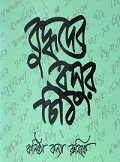 বুদ্ধদেব বসুর চিঠি কনিষ্ঠা কন্যা রুমিকে
--
সম্পাদনা : দময়ন্তী বসু সিং--বইটির নিবিড় পাঠ করেছেন চম্পাকলি আইয়ুব
বুদ্ধদেব বসুর চিঠি কনিষ্ঠা কন্যা রুমিকে
--
সম্পাদনা : দময়ন্তী বসু সিং--বইটির নিবিড় পাঠ করেছেন চম্পাকলি আইয়ুব "দময়ন্তী বসু সিং-এর পিতার মতো আমারও অভিযোগ উনি সাহিত্য সৃষ্টিতে বিশেষ মনোযোগ দেন না ব’লে। সংক্ষিপ্ত স্মৃতিকথায় সম্পাদিকা তাঁর পিতা সম্বন্ধে বলেন..."  ফিরে দেখা--বুদ্ধদেবের অনুবীক্ষণে রবীন্দ্র-রচনা
--
"বুদ্ধদেব বসুর অগ্রন্থিত গদ্য 'কবিতা' থেকে; ২য় খণ্ড : রবীন্দ্রনাথ"; সম্পাদনা : দময়ন্তী বসু সিং--বইটির মনোজ্ঞ সমালোচনা করেছেন শান্তনু চক্রবর্তী
ফিরে দেখা--বুদ্ধদেবের অনুবীক্ষণে রবীন্দ্র-রচনা
--
"বুদ্ধদেব বসুর অগ্রন্থিত গদ্য 'কবিতা' থেকে; ২য় খণ্ড : রবীন্দ্রনাথ"; সম্পাদনা : দময়ন্তী বসু সিং--বইটির মনোজ্ঞ সমালোচনা করেছেন শান্তনু চক্রবর্তী
 নেপথ্য-নাটক
--
মনীষা বসুর নাটক সমালোচনা-- স্বগতোক্তি যখন মঞ্চস্থ কোনও নাটক থেকে উঠে আসে, তখন কি তা আর শুধুই নাটকের সংলাপ-এ সীমাবদ্ধ থাকে? তা কি বয়ে নিয়ে চলে না আমাদেরও, সেই বিপন্ন বিস্ময়ের দিকে, যা আমাদের অন্তর্গত রক্তের মধ্যে খেলা করে, বেলা অবেলায়? ..
নেপথ্য-নাটক
--
মনীষা বসুর নাটক সমালোচনা-- স্বগতোক্তি যখন মঞ্চস্থ কোনও নাটক থেকে উঠে আসে, তখন কি তা আর শুধুই নাটকের সংলাপ-এ সীমাবদ্ধ থাকে? তা কি বয়ে নিয়ে চলে না আমাদেরও, সেই বিপন্ন বিস্ময়ের দিকে, যা আমাদের অন্তর্গত রক্তের মধ্যে খেলা করে, বেলা অবেলায়? ..
 Sweet this earthly dust, and Return, the concluding chapters of Buddhadeva Bose's classic memoir Sab Peyechhir Deshe ('The land where I found it all'), serialized in Parabaas. Translated by Nandini Gupta. Sweet this earthly dust, and Return, the concluding chapters of Buddhadeva Bose's classic memoir Sab Peyechhir Deshe ('The land where I found it all'), serialized in Parabaas. Translated by Nandini Gupta. 'Even after having spoken at great length about Rabindranath, much remains unsaid. Some of what I have said is personal, some inconsequential. No matter. It has been my great fortune to have been born in the land of Rabindranath, to have been his contemporary even though so much younger.....'  gþTHAr\Þf c¨XoÀ°c c®¨
--
À@Ø©@Øf @بrÉÌf ¦Éq®S | AsAS ~ÉTÉÀ°Ì ÀcÉ°ÀUÝÉÌ-AÌUüÀ@Ø-ÀöFÉ\¦ÉAU»S-ÞÉÀmäÌSÉ@Ø AOASÀÝÀaS, ©ÉJÀ@Ø A@Ø ®A©Fq @بÀSÉ cUÉ sÉÝ ? SÉ, A©AS cÌe ©ÉÌ ´À\vÉvÉq AaÀUS | ÞpAËcfvÉ ©ÉJÌ Þ\Uf AaÀUÉ | ~ÉÌ @ØSFÉÀ@Ø ÀUZÉ ©ÉJÌ AOAiÞn ÀËÀ@Ø BÉSÉ sÉÝ, Às-TÉS¨KvÉ ®F¨vÀ@ØÀ® OÉAc A°À© ÞÉÌÀ©S SÉ...
gþTHAr\Þf c¨XoÀ°c c®¨
--
À@Ø©@Øf @بrÉÌf ¦Éq®S | AsAS ~ÉTÉÀ°Ì ÀcÉ°ÀUÝÉÌ-AÌUüÀ@Ø-ÀöFÉ\¦ÉAU»S-ÞÉÀmäÌSÉ@Ø AOASÀÝÀaS, ©ÉJÀ@Ø A@Ø ®A©Fq @بÀSÉ cUÉ sÉÝ ? SÉ, A©AS cÌe ©ÉÌ ´À\vÉvÉq AaÀUS | ÞpAËcfvÉ ©ÉJÌ Þ\Uf AaÀUÉ | ~ÉÌ @ØSFÉÀ@Ø ÀUZÉ ©ÉJÌ AOAiÞn ÀËÀ@Ø BÉSÉ sÉÝ, Às-TÉS¨KvÉ ®F¨vÀ@ØÀ® OÉAc A°À© ÞÉÌÀ©S SÉ...
 c¨XoÀ°c c®¨ : ©ÉJÌ ÀO©SÉÝ AcrÂÀcÉo R ~É^äBÉ»A©@Ø©É
--
°TÝ^äf c®¨ A®e | A©AS öÀ©q ÞÉÌÀ©S Ôc¨ÀBÉ»ÝÉÕ-AcÀÌÉof ScF qÀxvÀU@ØO¨ÀÝUÀ°Ì Acr r©À@ØÌ S©¨S ~É°r», ´ÞÉ°ÉS ®c Ai@ØiÉ@Øq AaU ©pHTkU ÀËÀ@Ø ´Ài ~É®É, ~ËÉ»gÉÀcÌ ®ÀÊ ASÌ^äÌ s¨ÀXo cFÞp©, ~®ÉoÉÌH ÞþA©gÉcÉS jq @ØAc ÀaÀUAvÌ, A@ا cÉ° ®ÉoU ©ÉÌ cFA½-mªÉ©^¢F, ÀÌÉTÉAxv@Ø TS | ~ÉÌÉT À@Ø°ÉÌÉÝ cÀ® ®ÉTFcÉÀ°Ì BÀSF U¦ÛÉq @ØÌcÉÌ ...
c¨XoÀ°c c®¨ : ©ÉJÌ ÀO©SÉÝ AcrÂÀcÉo R ~É^äBÉ»A©@Ø©É
--
°TÝ^äf c®¨ A®e | A©AS öÀ©q ÞÉÌÀ©S Ôc¨ÀBÉ»ÝÉÕ-AcÀÌÉof ScF qÀxvÀU@ØO¨ÀÝUÀ°Ì Acr r©À@ØÌ S©¨S ~É°r», ´ÞÉ°ÉS ®c Ai@ØiÉ@Øq AaU ©pHTkU ÀËÀ@Ø ´Ài ~É®É, ~ËÉ»gÉÀcÌ ®ÀÊ ASÌ^äÌ s¨ÀXo cFÞp©, ~®ÉoÉÌH ÞþA©gÉcÉS jq @ØAc ÀaÀUAvÌ, A@ا cÉ° ®ÉoU ©ÉÌ cFA½-mªÉ©^¢F, ÀÌÉTÉAxv@Ø TS | ~ÉÌÉT À@Ø°ÉÌÉÝ cÀ® ®ÉTFcÉÀ°Ì BÀSF U¦ÛÉq @ØÌcÉÌ ...
 rfÀ©Ì ~FÉSÉvAT : ~Éo¨AS@Ø cÉeUÉ @ØAc©É, c¨.c.
--
sÀrÉoÌÉ ÌÉÝÀOMo¨Ìf |
~ËO Y°ÀÝ BÌÉ iÉÐÉ ~ÉÀS — À® gÉÀUÉcÉ®ÉÌ ©c¨ rf© ÀSq,
rfÀ©Ì ~FÉSÉvAT : ~Éo¨AS@Ø cÉeUÉ @ØAc©É, c¨.c.
--
sÀrÉoÌÉ ÌÉÝÀOMo¨Ìf |
~ËO Y°ÀÝ BÌÉ iÉÐÉ ~ÉÀS — À® gÉÀUÉcÉ®ÉÌ ©c¨ rf© ÀSq,~ËO Y°Ý IÀÌ ~^Î@ØÉÀÌ — À®-gÉÀUÉcÉ®ÉÌ ©c¨ ÀrK ÀSq | jq À©É jZS, jZSq ~ÉTÉÌ TS iÉÐÉ WÀÌ, ~^Î@ØÉÌ A°S gÕÀÌ j@ØÉ cÕÀ®-cÕÀ® ÀsS ATÀr sÉÝ öÉRÝÉÌ ö©FÉÝ |...
In the Archive
 Remembering Buddhadeva Bose, ‘The Compleat Writer’ An essay by Ketaki Kushari Dyson based on a lecture given on invitation by the Sahitya Akademi, Delhi, on 11 December, 2008. Includes recitation of three of Bose's poems translated into English. "This is the core of the modernist project in Bengal. Strangely, I have noticed that some people seem to locate the arrival of modernism in Indian writing in the fifties or sixties, but ..." Remembering Buddhadeva Bose, ‘The Compleat Writer’ An essay by Ketaki Kushari Dyson based on a lecture given on invitation by the Sahitya Akademi, Delhi, on 11 December, 2008. Includes recitation of three of Bose's poems translated into English. "This is the core of the modernist project in Bengal. Strangely, I have noticed that some people seem to locate the arrival of modernism in Indian writing in the fifties or sixties, but ..."
 Bathroom Hanne Ruth-Thompson translates Buddhadeva Bose's article from original Bangla— "Some of my opponents have at times referred to my writings as bathroom literature. In their minds bathrooms are associated with dirt and by saying this they want to express their heartfelt contempt for me. But sometimes the truth comes out by accident. Sometimes when we want to say one thing we end up saying the exact opposite. Clearly if my writings are bathroom literature then they must have some value..." Bathroom Hanne Ruth-Thompson translates Buddhadeva Bose's article from original Bangla— "Some of my opponents have at times referred to my writings as bathroom literature. In their minds bathrooms are associated with dirt and by saying this they want to express their heartfelt contempt for me. But sometimes the truth comes out by accident. Sometimes when we want to say one thing we end up saying the exact opposite. Clearly if my writings are bathroom literature then they must have some value..."
 c¨XoÀ°c c®¨ ®²ÞÉA°©
Ô~Éo¨AS@Ø cÉeUÉ @ØAc©ÉÕ -
®ÉemâÌAH@Ø ÞÉiÀg°
--
®TfÌ À®Sæóä | jq ®e@ØUÀS c¨XoÀ°c ®cÀOÀÝ ÀcAr ~ASEOÝ©ÉÝ g¨ÀwÀaS BfcSÉSÀ^°Ì @ØAc©É ASÀÝ | ÞþËT ®emâÌÀH ©ÉJÌ @ØAc©ÉÌ ®eZFÉ AaU °r, AXª©fÝ ®emâÌÀH ÞÀSÀÌÉ, ©p©fÝ ®emâÌÀH ®À©ÀÌÉ, O©¨Ë» R Þ¡T ®emâÌÀH ´ASr | ÞþËT ®emâÌÀH ©ÉJÌ @ØAc©É @ØT öcÉÌ @ØÉÌHvÉ ~S¨TÉS @ØÌÀ© @ØÄ öÝ SÉ - ©ZÀSÉ ©ÉJÌ TÀS °w°w @ØÌÀa ...
c¨XoÀ°c c®¨ ®²ÞÉA°©
Ô~Éo¨AS@Ø cÉeUÉ @ØAc©ÉÕ -
®ÉemâÌAH@Ø ÞÉiÀg°
--
®TfÌ À®Sæóä | jq ®e@ØUÀS c¨XoÀ°c ®cÀOÀÝ ÀcAr ~ASEOÝ©ÉÝ g¨ÀwÀaS BfcSÉSÀ^°Ì @ØAc©É ASÀÝ | ÞþËT ®emâÌÀH ©ÉJÌ @ØAc©ÉÌ ®eZFÉ AaU °r, AXª©fÝ ®emâÌÀH ÞÀSÀÌÉ, ©p©fÝ ®emâÌÀH ®À©ÀÌÉ, O©¨Ë» R Þ¡T ®emâÌÀH ´ASr | ÞþËT ®emâÌÀH ©ÉJÌ @ØAc©É @ØT öcÉÌ @ØÉÌHvÉ ~S¨TÉS @ØÌÀ© @ØÄ öÝ SÉ - ©ZÀSÉ ©ÉJÌ TÀS °w°w @ØÌÀa ...
©1997 - 2016 Parabaas. All rights reserved. |
 Kolkata's Elektra
(A Play in Three Acts)
Kolkata's Elektra
(A Play in Three Acts) 




| Buddhadeva Bose [1908-1974] belonged to a new generation of precocious poets and writers born in the first decade of 20th century who were destined to be the first to emerge from the shadow of Rabindranath Tagore. At 19 he was already editing and publishing Pragati, a journal of contemporary poetry where many leading poets of the next three decades would publish some of their earliest poems. In the mid thirties Buddhadeva Bose launched Kabita, the leading journal of Bengali poetry in its time. Throughout his life he was a prolific producer of poems, short stories and novels. More... |

