ISSN 1563-8685

New Addition:
Three stories from Tagore's Lipika (লিপিকা) have been translated by Palash Baran Pal into English:
 Repetition (পুনরাবৃত্তি), " The news from the frontier was not very inspiring. The king, with a heavy heart, went to the garden for a walk. Repetition (পুনরাবৃত্তি), " The news from the frontier was not very inspiring. The king, with a heavy heart, went to the garden for a walk.
He saw a little boy and a little girl playing under a tree near the boundary wall.
 The Jester (বিদূষক) "He was coming back from the temple after performing the rites, wearing crimson clothes, garlands of red hibiscus, and red sandal marks on his forehead. Only his minister and the court jester accompanied him."
and The Jester (বিদূষক) "He was coming back from the temple after performing the rites, wearing crimson clothes, garlands of red hibiscus, and red sandal marks on his forehead. Only his minister and the court jester accompanied him."
and
 The Horse (ঘোড়া) 'The four-headed Brahma twirled His four mustaches for a while and said, "Well, bring me whatever you have, let me see what I can do." The Horse (ঘোড়া) 'The four-headed Brahma twirled His four mustaches for a while and said, "Well, bring me whatever you have, let me see what I can do."
This time, when He created the new animal,...'
 রবীন্দ্রনাথের গানে প্রকৃতি—পৃথা কুণ্ডু রবীন্দ্রনাথের গানে প্রকৃতি—পৃথা কুণ্ডু
"প্রাজ্ঞ সমালোচকরা হয়ত 'পূজা' বা 'প্রেম'-এর তুলনায় একটু খাটো করেই দেখেন প্রকৃতিকে। কিন্তু স্রষ্টা, শিল্পী আর রসিকের কাছে প্রকৃতি কি শুধুই 'মেঘের কোলে রোদ হেসেছে' আর 'শীতের হাওয়ায় লাগল নাচন'-এর বাহ্যিক উচ্ছ্বাস না কি প্রকৃতির অন্তরে খুঁজে পাওয়া যায় সেই পরম ..."
 রবীন্দ্রসঙ্গীত — রবীন্দ্রসঙ্গীত —
সুগত চট্টোপাধ্যায়:
— তুমি ধন্য ধন্য হে, ধন্য তব প্রেম
— বিপুল তরঙ্গ রে
 রবীন্দ্রনাথ ও ম্যাক্সিম গোর্কি
—রবিন পাল রবীন্দ্রনাথ ও ম্যাক্সিম গোর্কি
—রবিন পাল
"রাশিয়ায় যাওয়া রবীন্দ্রজীবনে একটি তাৎপর্যপূর্ণ ঘটনা। রাশিয়ার চিঠি বইতে এবং অন্যত্র তিনি রাশিয়া প্রসঙ্গ নিয়ে বিস্তৃত আলোচনা করেছেন। ১৯৩৪-এ রাশিয়াতে প্রথম লেখক কংগ্রেস হয়। এই কংগ্রেসের সভাপতির ভাষণ দেন গোর্কি। রবীন্দ্রনাথ এই কংগ্রেসের সংবাদ পেয়ে অভিনন্দন জানান। রবীন্দ্রনাথ বলেন ..."
In the Archive:
রবীন্দ্রসঙ্গীত —
বৈশালী ফণী:
— তোমরা যা বল তাই বলো
— অমল ধবল পালে লেগেছে
— ছুটির বাঁশি বাজল যে ওই
 Twelve Novels by Rabindranath Tagore—
What did the most popular and critically acclaimed contemporary Bengali novelist think of Tagore's novels, written about a hundred years ago? Find out from this essay by Sunil Gangopadhyay, written in his inimitable style on Tagore's 50th death anniversary. Translated from the original Bengali by Chhanda Chattopadhyay Bewtra
Twelve Novels by Rabindranath Tagore—
What did the most popular and critically acclaimed contemporary Bengali novelist think of Tagore's novels, written about a hundred years ago? Find out from this essay by Sunil Gangopadhyay, written in his inimitable style on Tagore's 50th death anniversary. Translated from the original Bengali by Chhanda Chattopadhyay Bewtra
 বর্ষা, রবীন্দ্রনাথ, ২২শে শ্রাবণ
—রবিন পাল বর্ষা, রবীন্দ্রনাথ, ২২শে শ্রাবণ
—রবিন পাল
"শ্রাবণকে কবি দুর্দমবীর সম্বোধনে জড়ের যত বাধা উন্মূলনে ভূমিকা নিতে বলেছেন। নিছক বর্ণনা ছাপিয়ে এবার বর্ষাকে তার রূপকে মানুষের মাঝে দেখতে চান। একদিকে হৃদয় নাচে ময়ূরের মতো, অন্যাদিকে এক যুদ্ধজয়ের উদ্দীপনা, ‘প্রমত্তদানব’ দলন। বর্ষার শান্তিদাত্রী রূপ আর একাকীত্বে বেদনা ..."
রবীন্দ্রসঙ্গীত —
সুগত চট্টোপাধ্যায়:
— তোমার কথা হেথা কেহ তো বলে না
— সুখের মাঝে তোমায় দেখেছি
— শ্রাবণবরিষন পার হয়ে
 ছবি—
হৃদি কুন্ডু
ছবি—
হৃদি কুন্ডু
 Two birds
and Uselessly--two poems of Rabindranath, 'Dui pakhi' (দুই পাখি) and 'Anabashyak' (অনাবশ্যক) translated from the original Bengali by Palash Baran Pal.
Two birds
and Uselessly--two poems of Rabindranath, 'Dui pakhi' (দুই পাখি) and 'Anabashyak' (অনাবশ্যক) translated from the original Bengali by Palash Baran Pal.
 Seeing the Truth,
Creation, and
The One Commandment--three more lectures have been added to
Jyoti Prakash Datta's translation of Rabindranath's Santiniketan addresses.
Seeing the Truth,
Creation, and
The One Commandment--three more lectures have been added to
Jyoti Prakash Datta's translation of Rabindranath's Santiniketan addresses.
 পিতা ও পুত্র —গোপা দত্তভৌমিক পিতা ও পুত্র —গোপা দত্তভৌমিক
"কনিষ্ঠপুত্রের অসামান্য আধারটিকে নির্ভুল চিনেছিলেন দেবেন্দ্রনাথ। স্কুলপালানো, নিঃসঙ্গ, চুপচাপ বালকটিকে অনাদর আর অবজ্ঞা থেকে হাত বাড়িয়ে তিনি তুলে এনেছিলেন। যথার্থ অভিভাবকত্ব ..."
 ‘বন্ধু হে আমার’: রবিতীর্থে দুই ভিন্নপথের যাত্রী—পৃথা কুণ্ডু ‘বন্ধু হে আমার’: রবিতীর্থে দুই ভিন্নপথের যাত্রী—পৃথা কুণ্ডু
"এই অনুচ্চকিত অথচ নান্দনিক, আত্মপ্রত্যয়ী আত্মপ্রকাশ হেমন্তর ব্যক্তিত্ব ও গায়নে বিশেষ একটি মাত্রা যোগ করেছিল। প্রশ্ন উঠতেই পারে, দেবব্রতর মতই তো তিনি শান্তিনিকেতনী বৃত্তের বাইরের মানুষ, তাহলে তাঁর গায়ন নিয়ে সমস্যা হয়নি? ..."
রবীন্দ্রসঙ্গীত —
বৈশালী ফণী:
— ওই শুনি যেন চরণধ্বনি রে
 Tagore's Unfinished Experiment—Nandan Datta Tagore's Unfinished Experiment—Nandan Datta
"Given Tagore’s firm belief that his songs represented the most enduring element of his oeuvre, this enterprise of re-engineering songs into poems seems quite intriguing. In this essay, I will offer a perspective on this unique tinkering Tagore undertook in his twilight years. The 21 transformed poems in Shanai..."
 শান্তিনিকেতনে চিন ও জাপান
—সুমিতা চক্রবর্তী শান্তিনিকেতনে চিন ও জাপান
—সুমিতা চক্রবর্তী
"তখনও ‘শান্তিনিকেতন’ নামের আশ্রমিক বিদ্যালয়টি ‘বিশ্বভারতী’ নামের বিশ্ববিদ্যাচর্চার কেন্দ্র হয়ে ওঠেনি। তখন থেকেই শান্তিনিকেতনে চিন ও জাপান থেকে ছাত্র, শিল্পী ও কারিগরেরা আসতে শুরু করেছিলেন। এই অভিযাত্রা শুরু হয়েছিল ১৯০২ খ্রিস্টাব্দ ..."
 শান্তিনিকেতনে বাইশে শ্রাবণ ও বৃক্ষরোপণ উৎসব
—স্বপনকুমার ঘোষ শান্তিনিকেতনে বাইশে শ্রাবণ ও বৃক্ষরোপণ উৎসব
—স্বপনকুমার ঘোষ
"অঝোর ঝরা শ্রাবণের এমন একটা দিনে রবীন্দ্রনাথ বিদায় নিয়েছিলেন আমাদের কাছ থেকে। আবার ফিরে এসেছে বাইশে শ্রাবণ। আজ আটাত্তর বছর পরেও, সেই বিষাদ সংগীতের মূর্চ্ছনা যেন আমরা আশ্রমের আকাশ-বাতাস ছাড়িয়ে সারা দেশ জুড়ে ..."
 পোস্টমাস্টার : রবীন্দ্রনাথের এক শিল্পসার্থক গল্প
—রবিন পাল পোস্টমাস্টার : রবীন্দ্রনাথের এক শিল্পসার্থক গল্প
—রবিন পাল
"বর্ষা বিস্ফারিত নদী হয়ে ওঠে রতনের তীব্র দুঃখের সাংকেতিক প্রকাশে ‘উচ্ছলিত অশ্রুরাশি’ — এই সাংকেতিকতা রবীন্দ্রনাথ সেই বয়সে কিভাবে রপ্ত করলেন তাই ভাবি। জীবনকে নদীপ্রবাহ ভাবা, বিচ্ছেদ ও মৃত্যুকে জেনেও তাকে চিরস্থায়ী মনে না করা গল্পগুচ্ছে ..."
রবীন্দ্রসঙ্গীত —
বৈশালী ফণী:
— ডাকো মোরে আজি এ নিশীথে
— খেলাঘর বাঁধতে লেগেছি
— নিদ্রাহারা রাতের এ গান
 আজকের ‘রবিয়ানা’ —পৃথা কুণ্ডু আজকের ‘রবিয়ানা’ —পৃথা কুণ্ডু
"স্কুলস্তর থেকেই বেশিরভাগ ক্ষেত্রে আমরা যেন চাপিয়ে দিতে চাই, কোন গান, কোন কবিতা্ —ঠিক কতটুকু কোন বয়সের পক্ষে ‘নিরাপদ’ রবীন্দ্রচর্চার নৈবেদ্য হতে পারে। কেন এই বন্ধন? উদার আকাশের নিচে, গাছের তলায় যিনি পাঠ দেবার কথা বলেছিলেন ..."
 শতবর্ষে জালিয়ানওয়ালাবাগ এবং একলা রবীন্দ্রনাথ —বাপ্পা ঘোষ শতবর্ষে জালিয়ানওয়ালাবাগ এবং একলা রবীন্দ্রনাথ —বাপ্পা ঘোষ
"অ্যান্ড্রুজ কবির প্রস্তাব নিয়ে গান্ধীজির কাছে চলে যান। ফিরে এসে তিনি কবিকে জানালেন — গান্ধীজি এই মুহূর্তে পাঞ্জাবে যেতে রাজি নন। “I do not [...] embarrass the government now.” শুনে কবি নিশ্চুপ হয়ে যান। এ সম্পর্কে কোনো কথা ..."
 কবির সৃজন-বিশ্ব —উদয় নারায়ণ সিংহ কবির সৃজন-বিশ্ব —উদয় নারায়ণ সিংহ
"রবীন্দ্রনাথের সৃজন-বিশ্বের নির্মাণের ইতিহাসে যাঁরা অপরিহার্য ছিলেন, কালের বিস্মৃতির অভ্যাসে তাঁদের অনেকের নামই আজ অনুচ্চারিত। পঞ্জিকার চিত্রগুপ্ত যেবিলুপ্তির খেরোর খাতায় এঁদের অনেকের নাম তুলে ফেলেছেন, ..."
 রবীন্দ্রনাথ ও হার্বাট স্পেনসার —রবিন পাল রবীন্দ্রনাথ ও হার্বাট স্পেনসার —রবিন পাল
"স্পেনসার ও রবীন্দ্রনাথ নানাসূত্রে তাই কাছে এসেছিলেন, আবার চলে গেছেন ভিন্ন পথে। যে বিপুল সত্য আছে তাঁদের রচনায়, সেটাই হয়ে উঠবে চিন্তা ও বিচারের পাথেয়। স্পেনসারের পরলোকগমনের পর ম্যাঞ্চেস্টার গার্ডিয়ান-এ লেখা হয়েছিল ..."
 চিত্র-অনুবাদে রবীন্দ্র-কবিতা —সুমিতা চক্রবর্তী চিত্র-অনুবাদে রবীন্দ্র-কবিতা —সুমিতা চক্রবর্তী
"এক প্রতিভাকে বুঝতে হলে আর এক প্রতিভার প্রয়োজন হয়। রবীন্দ্র-কবিতার চিত্র-অনুবাদেও দেখতে পাই অবনীন্দ্রনাথ ঠাকুর আর নন্দলাল বসু রবীন্দ্রনাথকে যেভাবে বুঝেছিলেন অন্য চিত্র-শিল্পীরা ঠিক ততটাই গভীরে সবসময় যেতে পারেননি। তবু চিত্র-অনুবাদের..."
রবীন্দ্রসঙ্গীত —
অপরাজিতা মণ্ডল:
— তোমায় নতুন করে পাব ব'লে
— আমি তোমার সঙ্গে বেঁধেছি আমার প্রাণ
— আমার নিশীথরাতের বাদলধারা
 রবীন্দ্রনাথ ও তাঁর বাণিজ্য-মনস্কতা —রাহুল রায় রবীন্দ্রনাথ ও তাঁর বাণিজ্য-মনস্কতা —রাহুল রায়
"রবি ঠাকুরের এই উদার জমিদারী বাণিজ্য-নীতির ফলে জমিদারির কোন ক্ষতি হয় নি, বরং তার স্বাস্থ্য ভালো হয়েছে। এটা নি:সন্দেহে রবীন্দ্রনাথের বাণিজ্য-বুদ্ধির পরিচায়ক। কিন্তু সবচেয়ে বড় কথা রবীন্দ্রনাথের চিন্তা-ধারা প্রায় দুশো বছর এগিয়ে ছিল। সম্প্রতি ডা: মহম্মদ ইউনুসের গ্রামীণ ব্যাঙ্ক..."
রবীন্দ্রসঙ্গীত —
স্বপ্না রায় ও রাহুল রায়:
— গানগুলি মোর শৈবালেরই দল
— যে তোমায় ছাড়ে ছাড়ুক
— কৃষ্ণকলি আমি তারেই বলি
— যে কেবল পালিয়ে বেড়ায়
 ঘরে বাইরে প্রেম —মধুপর্ণা মুখোপাধ্যায় ঘরে বাইরে প্রেম —মধুপর্ণা মুখোপাধ্যায়
"এই ধরনের বক্তব্যে তাঁর দৃষ্টির স্বচ্ছতা ধরা পড়ে। একবিংশের দিনে প্রতিবেশী দেশে, এমনকী স্বদেশেও মত এবং মতবাদ চাপিয়ে দেওয়ার হিড়িকে রবীন্দ্রনাথের এই চেতনায় যেকোনো শুভবোধ আজও নিশ্চিত আস্থা রাখবে। দাঙ্গার খবরে নিখিলেশ কাঙ্ক্ষিত ‘ঘরে’ ফেরার মুহূর্তে অনায়াসে ‘বাইরে’ ছুটেছে ..."
 রক্তকরবী : 'থাকা' র ইস্তেহার —তৃষা চক্রবর্তী রক্তকরবী : 'থাকা' র ইস্তেহার —তৃষা চক্রবর্তী
"রক্তকরবী আসলে এক "থাকা"র গল্প। যাসব কিছু কেবলই "মরে", যাদের মরতে হয়, তাদেরই বেঁচে থাকার গল্প। রক্তকরবীতে আমরা তিনরকম থাকার কথা পাই -- বেঁচে থাকা, টিকে থাকা, মৃত্যুর পরবর্তী বেঁচে..."
রবীন্দ্রসঙ্গীত —
শ্যামশ্রী বন্দ্যোপাধ্যায়:
— অনেক দিনের আমার যে গান
— পুব-হাওয়াতে দেয় দোলা আজ
— চোখ যে ওদের ছুটে চলে গো
— আমার রাত পোহালো শারদ প্রাতে
 রবীন্দ্র সমাজভাবনা ও বর্তমান শান্তিনিকেতন শ্রীনিকেতন —রবিন পাল রবীন্দ্র সমাজভাবনা ও বর্তমান শান্তিনিকেতন শ্রীনিকেতন —রবিন পাল
"আমার কথায় নেতির ভাগ অত্যধিক। শান্তিনিকেতনে পড়াতে আসার আগে শালবীথিতে রবীন্দ্রনাথকে কল্পনায় উদ্ভাসিত দেখতাম। চাকরি করতে করতে সেই রবীন্দ্রনাথ হারিয়ে গেছেন আমার মন থেকে। তবু আজও যখন দেখি সুদূর গ্রামের মানুষ দলে দলে এসে ..."
রবীন্দ্রসঙ্গীত —
শ্যামশ্রী বন্দ্যোপাধ্যায়:
— তোমায় গান শোনাবো তাই তো আমায়
— এখনো গেল না আঁধার
— আমার কণ্ঠ হতে গান কে নিল ভুলায়ে
তিলোত্তমা মজুমদার:
— প্রথম আদি তব শক্তি
— নিশীথশয়নে ভেবে রাখি মনে
 দুটি বিতর্কিত গান : স্বরবিতান ৬৪র ভাষ্য —শংকর চট্টোপাধ্যায় দুটি বিতর্কিত গান : স্বরবিতান ৬৪র ভাষ্য —শংকর চট্টোপাধ্যায়
"স্বরবিতান ৬৪-র শেষভাগে সম্পাদকীয় টীকা থেকে জানা যায় “... [‘আনন্দধারা বহিছে ভুবনে’] গানটি প্রথম (রেকর্ডে) প্রচারিত হয় বিষ্ণুপুর ঘরানার রমেশচন্দ্র বন্দ্যোপাধ্যায়ের নির্দেশিত সুরে”। এই বাক্যটি বিস্ফোরক। কারণ এর বহুদূর বিস্তৃত তাৎপর্য আছে। ..."
পৃথা কুণ্ডুর দুটি কবিতা—
 গানের ওপারে, —
ও
সূর্য-অভিসার
রবীন্দ্রসঙ্গীত — মঞ্জুশ্রী বন্দ্যোপাধ্যায়:
— অনন্তের বাণী তুমি
— তব প্রেমসুধারসে মেতেছি
— জাগে নাথ জোছনারাতে
 “ভাষার মধ্যে ভাষাতীত”: আমার রবীন্দ্রনাথ —উদয় নারায়ণ সিংহ “ভাষার মধ্যে ভাষাতীত”: আমার রবীন্দ্রনাথ —উদয় নারায়ণ সিংহ
"এ কোন্ কারণ যা রবীন্দ্রনাথকে বাংলা ভাষার উৎকর্ষ বিশ্বেরও দরবারে প্রমাণ করতে অনুপ্রেরিত করলো? অনুবাদে ও প্রাথমিক পদ্যরচনায় যার আরম্ভ তা কালে ভাষাটির হাত ধরে তাকে এমন জগতে নিয়ে গেল সেখানে সকল দেশের সমস্ত ভাষা ..."
 চিত্ররেখাডোর ও রবীন্দ্রনাথ —সঞ্জয় মুখোপাধ্যায় চিত্ররেখাডোর ও রবীন্দ্রনাথ —সঞ্জয় মুখোপাধ্যায়
"ক্ষুধিত পাষাণ'-এ গল্প আর কতটুকু, একটু ইশারা, বাকিটা তো শব্দের অবিশ্রান্ত রহস্যযাত্রা। একমাত্র বাঙালিই পারে এই গল্প থেকে সুচারু প্লট আবিষ্কার করে উত্তম সৌমিত্রের গলায় সংলাপ ..."
 'প্রগতিসংহার', অমিতা সেন এবং রবীন্দ্রনাথ —গোপা দত্তভৌমিক 'প্রগতিসংহার', অমিতা সেন এবং রবীন্দ্রনাথ —গোপা দত্তভৌমিক
"একটি বিষয় শুধু ভাবনা জাগায়, যে গানের জন্য খুকুর প্রতি তাঁর নিবিড় স্নেহ সেই গানের প্রসঙ্গ রবীন্দ্রনাথ একবারও আনলেন না প্রগতিসংহারে? এখানে তাঁর অভিমানও লুকোনো থাকেনা। ..."
 বাইশে শ্রাবণ: অস্তমিত হওয়ার আগে বাংলার রবি-ভাবনা —মীরাতুন নাহার বাইশে শ্রাবণ: অস্তমিত হওয়ার আগে বাংলার রবি-ভাবনা —মীরাতুন নাহার
"সেদিন একটি গুরুত্বপূর্ণ প্রশ্ন আলোড়ন তুলেছিল গুরুদেবের অকৃত্রিম স্নেহ-পরশে বিকশিত আত্মার অধিকারী নির্মলকুমারীর মনে: "তাঁর দৃষ্টি দিয়ে আমরা দেখেছি, তাঁর শ্রবণ দিয়ে আমরা শুনেছি, ..."
রবীন্দ্রসঙ্গীত —
শুক্লা গুহ:
— চিরসখা, ছেড়ো না
— তুমি কোন্ ভাঙনের পথে এলে
তিলোত্তমা মজুমদার:
— কার মিলন চাও বিরহী
 রবীন্দ্রনাথ ও রামানন্দ: পত্রের দর্পণে —রবিন পাল রবীন্দ্রনাথ ও রামানন্দ: পত্রের দর্পণে —রবিন পাল
"১৮৯৭ সালের ডিসেম্বরে রামানন্দ ‘প্রদীপ’ পত্রিকার সম্পাদনার দায়িত্ব নেন। এই পত্রিকার প্রথম সংখ্যাতেই রবীন্দ্রনাথের একটি কবিতা ছিল, নাম— ‘প্রবাসী’। এছাড়া বেরিয়েছে—অধ্যাপক জগদীশচন্দ্র বসুর প্রতি..."
কবিতা —
 রাবীন্দ্রিক —নিরুপম চক্রবর্তী রাবীন্দ্রিক —নিরুপম চক্রবর্তী
 লাল মাটির দেশে —মলয় সরকার লাল মাটির দেশে —মলয় সরকার
 Tagore’s “Shasti”: Essay and Translation, Carolyn Brown's “A Few Sentences on Translating Tagore’s ‘Shasti’ (A Translator’s Punishment),” was written as a Tagore’s “Shasti”: Essay and Translation, Carolyn Brown's “A Few Sentences on Translating Tagore’s ‘Shasti’ (A Translator’s Punishment),” was written as a
 companion piece to her translation of Tagore’s short story. Brown begins with a question, Why have I translated the title of Rabindranath Tagore’s “শাস্তি” (Shasti) as “Sentence,” when everyone else translates it as “Punishment”?
 Tagore’s play RAJA for Global Audience— by Debashish Raychaudhuri “In the play Suvarna (literally ‘gold’), the imposter king, pompously parades the streets covering himself with gold. The commoners are fooled by his glitter. His false assurance attracts the greed of the poor commoners who impoverish themselves by showering expensive gifts on him in the expectation of greater favours...” Tagore’s play RAJA for Global Audience— by Debashish Raychaudhuri “In the play Suvarna (literally ‘gold’), the imposter king, pompously parades the streets covering himself with gold. The commoners are fooled by his glitter. His false assurance attracts the greed of the poor commoners who impoverish themselves by showering expensive gifts on him in the expectation of greater favours...”
 গ্রন্থ-সমালোচনাঃ 'রবীন্দ্রনাথ ও উত্তরা’ —মুনমুন গঙ্গোপাধ্যায় গ্রন্থ-সমালোচনাঃ 'রবীন্দ্রনাথ ও উত্তরা’ —মুনমুন গঙ্গোপাধ্যায়
 Gallery (- related to Tagore, Santiniketan, etc.)
—Various. Five more photographs of North family & friends have been added! Gallery (- related to Tagore, Santiniketan, etc.)
—Various. Five more photographs of North family & friends have been added!
Beginning with some archival photographs (ca. 1953-55) of Roy North in Santiniketan, we are beginning an archive of such materials of general interest. Please help us with your contributions.
 কুর্ট ওল্ফ্ ও রবীন্দ্রনাথ —রবিন পাল "‘১৯১৪তে প্রকাশ করলেন রবীন্দ্র গদ্যকবিতার ছোট্ট একটি বই। ওল্ফ্ নিজের প্রকাশনী থেকে সম্ভাবনাময় তরুণ কবি ও গদ্যকারদের লেখা ছাপছিলেন। তিনি জার্মান এক্সপ্রেশনিজম-এর বড়ো পৃষ্ঠপোষক ছিলেন। রবীন্দ্রনাথের গীতল গদ্য জার্মান এক্সপ্রেশনিজম এর মতো নয়। ..." কুর্ট ওল্ফ্ ও রবীন্দ্রনাথ —রবিন পাল "‘১৯১৪তে প্রকাশ করলেন রবীন্দ্র গদ্যকবিতার ছোট্ট একটি বই। ওল্ফ্ নিজের প্রকাশনী থেকে সম্ভাবনাময় তরুণ কবি ও গদ্যকারদের লেখা ছাপছিলেন। তিনি জার্মান এক্সপ্রেশনিজম-এর বড়ো পৃষ্ঠপোষক ছিলেন। রবীন্দ্রনাথের গীতল গদ্য জার্মান এক্সপ্রেশনিজম এর মতো নয়। ..."
 রবীন্দ্রনাথ এবং জাতপাত সাম্প্রদায়িকতা —গোপা দত্তভৌমিক "‘আমার ঠাকুর মন্দিরেও নয়, প্রতিমাতেও নয়, বৈকুন্ঠেও নয়,—আমার ঠাকুর মানুষের মধ্যে—সেখানে ক্ষুধাতৃষ্ণা সত্য, পিত্তিও পড়ে, ঘুমেরও দরকার আছে—যে দেবতা স্বর্গের তাঁর মধ্যে এসব কিছুই সত্য নয়।’ ..." রবীন্দ্রনাথ এবং জাতপাত সাম্প্রদায়িকতা —গোপা দত্তভৌমিক "‘আমার ঠাকুর মন্দিরেও নয়, প্রতিমাতেও নয়, বৈকুন্ঠেও নয়,—আমার ঠাকুর মানুষের মধ্যে—সেখানে ক্ষুধাতৃষ্ণা সত্য, পিত্তিও পড়ে, ঘুমেরও দরকার আছে—যে দেবতা স্বর্গের তাঁর মধ্যে এসব কিছুই সত্য নয়।’ ..."
 চেক গবেষক ভি. লেসনি লিখিত রবীন্দ্রজীবনী: এক বিদেশি অনুরাগীর রবীন্দ্র-শ্রদ্ধার্ঘ —সুমিতা চক্রবর্তী "... ইংরেজি ছাড়া অপর ইউরোপীয় ভাষাগুলিতে রবীন্দ্রনাথ সম্পর্কে জীবনী রচনা কারা করেছিলেন সেই ব্যাপারে আমাদের ধারণা খুব বেশি নেই। কাজেই যখন আমরা হাতে পেয়ে যাই চেকভাষায় রচিত একটি রবীন্দ্রজীবনীগ্রন্থ তখন আমাদের স্বভাবতই জানতে ইচ্ছে করে সেই বই এবং বই-এর লেখক সম্পর্কে প্রাসঙ্গিক তথ্যসমূহ। ..." চেক গবেষক ভি. লেসনি লিখিত রবীন্দ্রজীবনী: এক বিদেশি অনুরাগীর রবীন্দ্র-শ্রদ্ধার্ঘ —সুমিতা চক্রবর্তী "... ইংরেজি ছাড়া অপর ইউরোপীয় ভাষাগুলিতে রবীন্দ্রনাথ সম্পর্কে জীবনী রচনা কারা করেছিলেন সেই ব্যাপারে আমাদের ধারণা খুব বেশি নেই। কাজেই যখন আমরা হাতে পেয়ে যাই চেকভাষায় রচিত একটি রবীন্দ্রজীবনীগ্রন্থ তখন আমাদের স্বভাবতই জানতে ইচ্ছে করে সেই বই এবং বই-এর লেখক সম্পর্কে প্রাসঙ্গিক তথ্যসমূহ। ..."
 বঙ্কিমচন্দ্র ও রবীন্দ্রনাথের মেয়েরা —দেবজ্যোতি ভট্টাচার্য "এ প্রবন্ধের দুটি পর্ব। প্রথম পর্বে আছে, বঙ্কিমচন্দ্রের উপন্যাসে উনিশ শতকের দ্বিতীয় ভাগে রেনেসাঁর অভিঘাতে বাংলার নারীচরিত্রে ক্রমশ ঘটে চলা জীবনবোধের পরিবর্তনের ধারাবিবরণী। দ্বিতীয় পর্বে, উত্তরসূরী রবীন্দ্রনাথের বিশ শতকের উপন্যাসে সেই পরিবর্তিত নারীচরিত্রেরা বদলে যাওয়া সমাজ ও জীবনের ওঠাপড়ায় ভাসতে ভাসতে কীভাবে খুঁজে নেবার চেষ্টা করছে নিজের পথ,..." বঙ্কিমচন্দ্র ও রবীন্দ্রনাথের মেয়েরা —দেবজ্যোতি ভট্টাচার্য "এ প্রবন্ধের দুটি পর্ব। প্রথম পর্বে আছে, বঙ্কিমচন্দ্রের উপন্যাসে উনিশ শতকের দ্বিতীয় ভাগে রেনেসাঁর অভিঘাতে বাংলার নারীচরিত্রে ক্রমশ ঘটে চলা জীবনবোধের পরিবর্তনের ধারাবিবরণী। দ্বিতীয় পর্বে, উত্তরসূরী রবীন্দ্রনাথের বিশ শতকের উপন্যাসে সেই পরিবর্তিত নারীচরিত্রেরা বদলে যাওয়া সমাজ ও জীবনের ওঠাপড়ায় ভাসতে ভাসতে কীভাবে খুঁজে নেবার চেষ্টা করছে নিজের পথ,..."
 Tagore’s Sense of Wonder in Indonesia:
Rereading his Letters from a Traveller to Java
—Amiya Dev. "Written to a few select persons tuned to his cast of mind, Tagore’s twenty-one letters are also in part intimate journals—his classic in that respect having been Chinnapatra (loose leaves) written much earlier to a niece... Tagore’s Sense of Wonder in Indonesia:
Rereading his Letters from a Traveller to Java
—Amiya Dev. "Written to a few select persons tuned to his cast of mind, Tagore’s twenty-one letters are also in part intimate journals—his classic in that respect having been Chinnapatra (loose leaves) written much earlier to a niece...
 সমকালের অস্ত্রে বিদ্ধ নিত্যকালের রবীন্দ্রনাথ —সুমিতা চক্রবর্তী " জালিয়ানওয়ালাবাগের হত্যাকাণ্ডের পর যিনি এককভাবে ব্রিটিশ সরকারের প্রদত্ত ‘স্যার’ উপাধি বর্জন করতে পারেন .... কিন্তু জালিয়ানওয়ালাবাগের নাম নেই তাঁর কোনো কবিতায়। ..." সমকালের অস্ত্রে বিদ্ধ নিত্যকালের রবীন্দ্রনাথ —সুমিতা চক্রবর্তী " জালিয়ানওয়ালাবাগের হত্যাকাণ্ডের পর যিনি এককভাবে ব্রিটিশ সরকারের প্রদত্ত ‘স্যার’ উপাধি বর্জন করতে পারেন .... কিন্তু জালিয়ানওয়ালাবাগের নাম নেই তাঁর কোনো কবিতায়। ..."
 রবীন্দ্রনাথের 'সাধনা' ও প্রাসঙ্গিক কিছু কথা —রবিন পাল " 'সাধনা' বইটির ব্যাপক আগ্রহ সঞ্চারের কারণ কি? প্রভাতকুমারের ব্যাখ্যা — রবীন্দ্রনাথের বহুদিনের স্বপ্ন 'ভারতের ভাবাত্মক আদর্শবাদের প্রচার।' এ বইটির লেখাগুলিকে উপনিষদের ঋষিদের বাণীর ব্যাখ্যা বললে ভুল হবে না, তবে এ ব্যাখ্যান রবীন্দ্রনাথের নিজস্ব। ..." রবীন্দ্রনাথের 'সাধনা' ও প্রাসঙ্গিক কিছু কথা —রবিন পাল " 'সাধনা' বইটির ব্যাপক আগ্রহ সঞ্চারের কারণ কি? প্রভাতকুমারের ব্যাখ্যা — রবীন্দ্রনাথের বহুদিনের স্বপ্ন 'ভারতের ভাবাত্মক আদর্শবাদের প্রচার।' এ বইটির লেখাগুলিকে উপনিষদের ঋষিদের বাণীর ব্যাখ্যা বললে ভুল হবে না, তবে এ ব্যাখ্যান রবীন্দ্রনাথের নিজস্ব। ..."
 Rabindranath Tagore (1861-1941) A Biographical Sketch
—Uma Das Gupta. With many rarely seen archival photographs. Rabindranath Tagore (1861-1941) A Biographical Sketch
—Uma Das Gupta. With many rarely seen archival photographs.
 তোমায় নতুন করে পাব বলে —শম্পা ভট্টাচার্য "জীবৎকালে জন্মদিনের ভাষণে মানুষের কাছে বারবার আত্মার আত্মীয়তাটুকু প্রার্থনা করেছিলেন কবি। আজও বেঁচে আছে রবীন্দ্রনাথের যাবতীয় কীর্তি এবং বেঁচে আছি আমরা। যা প্রয়োজন তা হল এই দুইয়ের মাঝে সুদৃঢ় বন্ধন। এই সম্পর্ক তো কবি গড়তে চেয়েছিলেন।..." তোমায় নতুন করে পাব বলে —শম্পা ভট্টাচার্য "জীবৎকালে জন্মদিনের ভাষণে মানুষের কাছে বারবার আত্মার আত্মীয়তাটুকু প্রার্থনা করেছিলেন কবি। আজও বেঁচে আছে রবীন্দ্রনাথের যাবতীয় কীর্তি এবং বেঁচে আছি আমরা। যা প্রয়োজন তা হল এই দুইয়ের মাঝে সুদৃঢ় বন্ধন। এই সম্পর্ক তো কবি গড়তে চেয়েছিলেন।..."
 Tagore the Pilgrim, Poet, and Philosopher--a Book Review
—Narasingha P. Sil reviews Tagore at Home in the World, an anthology edited by Sanjukta Dasgupta and Chinmoy Guha. Tagore the Pilgrim, Poet, and Philosopher--a Book Review
—Narasingha P. Sil reviews Tagore at Home in the World, an anthology edited by Sanjukta Dasgupta and Chinmoy Guha.
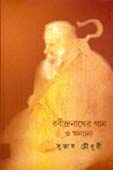 বহুব্যাপ্ত অভিজ্ঞতার সম্ভার —সুভাষ চৌধুরীর রবীন্দ্রনাথের গান ও অন্যান্য বইটির নিবিড় পাঠ করেছেন শংকর চট্টোপাধ্যায় বহুব্যাপ্ত অভিজ্ঞতার সম্ভার —সুভাষ চৌধুরীর রবীন্দ্রনাথের গান ও অন্যান্য বইটির নিবিড় পাঠ করেছেন শংকর চট্টোপাধ্যায়
রবীন্দ্রসঙ্গীত (৩) —অণিমা চট্টোপাধ্যায়
— আজি মম জীবনে নামিছে
— আমারে ডাক দিল কে
— যারে নিজে তুমি ভাসিয়েছিলে
— সকরুণ বেণু বাজায়ে কে যায়
 রবীন্দ্রনাথ, ক্ষিতিমোহন ও প্রসঙ্গকথা—রবিন পাল "রবীন্দ্রনাথের বড় দাদা দ্বিজেন্দ্রনাথ বলেছিলেন — 'একা নব রতন ক্ষিতিমোহন / ভকতি-রসের রসিক। / কবীর-কাম-ধেনু করি দোহন / তোষেণ তৃষিত পথিক।' রবীন্দ্রনাথের নবরত্নসভার অন্যতম ক্ষিতিমোহন ছিলেন শাস্ত্রজ্ঞ পণ্ডিত, মধ্যযুগের সন্তধর্মের প্রচারক, রবীন্দ্রসাহিত্যের রসজ্ঞ আলোচক, বৌদ্ধধর্মের গবেষক, বাউল ফকির গানের তত্ত্বসন্ধানী সংগ্রাহক,..." রবীন্দ্রনাথ, ক্ষিতিমোহন ও প্রসঙ্গকথা—রবিন পাল "রবীন্দ্রনাথের বড় দাদা দ্বিজেন্দ্রনাথ বলেছিলেন — 'একা নব রতন ক্ষিতিমোহন / ভকতি-রসের রসিক। / কবীর-কাম-ধেনু করি দোহন / তোষেণ তৃষিত পথিক।' রবীন্দ্রনাথের নবরত্নসভার অন্যতম ক্ষিতিমোহন ছিলেন শাস্ত্রজ্ঞ পণ্ডিত, মধ্যযুগের সন্তধর্মের প্রচারক, রবীন্দ্রসাহিত্যের রসজ্ঞ আলোচক, বৌদ্ধধর্মের গবেষক, বাউল ফকির গানের তত্ত্বসন্ধানী সংগ্রাহক,..."
 Three short stories/modern fables of Tagore— from Lipika (লিপিকা) translated into English by Sutapa Chaudhuri: Three short stories/modern fables of Tagore— from Lipika (লিপিকা) translated into English by Sutapa Chaudhuri:
— The Fairy's Identity (পরীর পরিচয়)
— The Prince (রাজপুত্তুর),
— Shuorani's Wish (সুয়োরানীর সাধ), and
রবীন্দ্রসঙ্গীত—সায়ন বন্দ্যোপাধ্যায়
— ওদের সাথে মেলাও
— এ পরবাসে রবে কে হায়
— দেখা না-দেখায় মেশা হে বিদ্যুৎলতা
— যেথায় থাকে সবার অধম দীনের হতে দীন
— তিমিরদুয়ার খোলো—এসো, এসো নীরবচরণে।
— ওই জানালার কাছে বসে আছে করতলে রাখি মাথা—
রবীন্দ্রসঙ্গীত—শর্মিলা বন্দ্যোপাধ্যায়
— এরা পরকে আপন করে, আপনারে পর–
— শ্রাবণের পবনে আকুল বিষণ্ণ সন্ধ্যায়
 'কল্পলতা' ও রবীন্দ্রনাথ —সুভাষ ভট্টাচার্য "'কল্পলতা' নামটি কিছু অসুবিধের সৃষ্টি করতে পারে পাঠকের মনে। রবীন্দ্রনাথের 'আমার নাই বা হল পারে যাওয়া' গানটির শেষে আছে 'আমার সেইখানেই কল্পলতা, যেখানে মোর দাবি-দাওয়া'। এই 'কল্পলতা' শব্দটা নিয়ে উত্তরপাড়ায় ন-য়ের দশকে গড়ে উঠেছিল একটি সংস্থা।..." 'কল্পলতা' ও রবীন্দ্রনাথ —সুভাষ ভট্টাচার্য "'কল্পলতা' নামটি কিছু অসুবিধের সৃষ্টি করতে পারে পাঠকের মনে। রবীন্দ্রনাথের 'আমার নাই বা হল পারে যাওয়া' গানটির শেষে আছে 'আমার সেইখানেই কল্পলতা, যেখানে মোর দাবি-দাওয়া'। এই 'কল্পলতা' শব্দটা নিয়ে উত্তরপাড়ায় ন-য়ের দশকে গড়ে উঠেছিল একটি সংস্থা।..."
 Wanderlust: Travels of the Tagore Family— Somdatta Mandal translates from the original Bengali four travel pieces by Debendranath Tagore, Jnanadanandini Devi, Rabindranath himself, and Abanindranath Tagore. Wanderlust: Travels of the Tagore Family— Somdatta Mandal translates from the original Bengali four travel pieces by Debendranath Tagore, Jnanadanandini Devi, Rabindranath himself, and Abanindranath Tagore.
 রবীন্দ্রনাথ — মশিউল চৌধুরী (ছবি) রবীন্দ্রনাথ — মশিউল চৌধুরী (ছবি)
 Shakti's Singing—Bhaswati Ghosh translates Samir Sengupta's memoir on the famous Bengali poet Shakti Chattopadhyay, in particular on Shakti's life-long love of Rabindrasangeet, a trait common to many contemporary Bengali poets: "Many poets of our generation, those who started penning poetry in the 1950s, never liked Tagore’s poetry; but surprisingly, it was hard to find anyone who didn’t like his songs. One could safely say without exaggeration, they were all devotees of Tagore’s songs—genuine, mad lovers...." Shakti's Singing—Bhaswati Ghosh translates Samir Sengupta's memoir on the famous Bengali poet Shakti Chattopadhyay, in particular on Shakti's life-long love of Rabindrasangeet, a trait common to many contemporary Bengali poets: "Many poets of our generation, those who started penning poetry in the 1950s, never liked Tagore’s poetry; but surprisingly, it was hard to find anyone who didn’t like his songs. One could safely say without exaggeration, they were all devotees of Tagore’s songs—genuine, mad lovers...."
 গীতার রবীন্দ্র-ভাষ্য : মারণতত্ত্বের উড়োজাহাজ—আশীষ লাহিড়ী "মানুষ-নিধনের প্রত্যক্ষ ভয়াবহতা থেকে নিধনকারীকে দূরে সরিয়ে নিয়ে যাওয়ার ফলে যুদ্ধপ্রক্রিয়ায় যে একটা গুণগত পার্থক্য দেখা দিয়েছিল, সেটা রবীন্দ্রনাথ অভ্রান্ত প্রত্যয়ে ধরতে পেরেছিলেন। এরোপ্লেন জিনিসটাকে তিনি সেই মারণ-অনুষঙ্গে দেখেছিলেন। তাঁর কাছে প্রশ্নটা নিছক হিংসা-অহিংসার নয়, গণ-নিধন করে মানুষের মন কী করে দায় এড়িয়ে নির্বিকার থাকতে পারে, সেই নৈতিকতার..." গীতার রবীন্দ্র-ভাষ্য : মারণতত্ত্বের উড়োজাহাজ—আশীষ লাহিড়ী "মানুষ-নিধনের প্রত্যক্ষ ভয়াবহতা থেকে নিধনকারীকে দূরে সরিয়ে নিয়ে যাওয়ার ফলে যুদ্ধপ্রক্রিয়ায় যে একটা গুণগত পার্থক্য দেখা দিয়েছিল, সেটা রবীন্দ্রনাথ অভ্রান্ত প্রত্যয়ে ধরতে পেরেছিলেন। এরোপ্লেন জিনিসটাকে তিনি সেই মারণ-অনুষঙ্গে দেখেছিলেন। তাঁর কাছে প্রশ্নটা নিছক হিংসা-অহিংসার নয়, গণ-নিধন করে মানুষের মন কী করে দায় এড়িয়ে নির্বিকার থাকতে পারে, সেই নৈতিকতার..."
রবিবাবুর গান ও তার গায়ন—অনিন্দ্য বসু "কিন্তু শুধু ভালবেসে গাইলেই হল? গানের ব্যাকরণ, শৈলী, স্বরলিপি ইত্যাদি নিয়ে মাথা ঘামাতে হবে না? বিশেষতঃ গানটি যদি রবীন্দ্র সঙ্গীত, অর্থাৎ যা রবিঠাকুরের সময়ে ‘রবিবাবুর গান’ বলে পরিচিত ছিল, তা হলে?..."
 Talking Between Disciplines: Could We Please Have A Better Conversation?—Ketaki Kushari Dyson reviews Rabindranath Tagore: An Interpretation by Sabyasachi Bhattacharya, focusing in particular on the methodology used. "I wonder why Bhattacharya says that he had to ‘make do’ with the renderings of others. That is not very complimentary to the good work that has been done by the new generation of translators. Why are the translations of Tagore’s poetry done in modern times, acclaimed by literary critics, not good enough for him to quote from?" Talking Between Disciplines: Could We Please Have A Better Conversation?—Ketaki Kushari Dyson reviews Rabindranath Tagore: An Interpretation by Sabyasachi Bhattacharya, focusing in particular on the methodology used. "I wonder why Bhattacharya says that he had to ‘make do’ with the renderings of others. That is not very complimentary to the good work that has been done by the new generation of translators. Why are the translations of Tagore’s poetry done in modern times, acclaimed by literary critics, not good enough for him to quote from?"
রবীন্দ্রসঙ্গীত—কাকলি রায়
— পথে চলে যেতে যেতে কোথা কোন্খানে
— তুমি যে আমারে চাও আমি সে জানি
— চরণরেখা তব যে পথে দিলে লেখি
— কী ফুল ঝরিল বিপুল অন্ধকারে
 A Casa e O Mundo: Telo de Mascarenhas’s Translation of Ghare Baire — an essay by Sovon Sanyal. "The Portuguese translation A Casa e o Mundo was done by the Goan political-literary figure Telo de Mascarenhas (1899-1979) and published in 1941 by a famous Lisbon publisher called Editorial Inquérito. The title page mentioned that the Portuguese translation was done from the original Bengali (“Tradução do original Bengali”). A Casa e O Mundo: Telo de Mascarenhas’s Translation of Ghare Baire — an essay by Sovon Sanyal. "The Portuguese translation A Casa e o Mundo was done by the Goan political-literary figure Telo de Mascarenhas (1899-1979) and published in 1941 by a famous Lisbon publisher called Editorial Inquérito. The title page mentioned that the Portuguese translation was done from the original Bengali (“Tradução do original Bengali”).
 আরো দু'টি 'অপ্রকাশিত' রবীন্দ্রসঙ্গীত—জ্যোতিরিন্দ্রনাথ মৈত্র আরো দু'টি 'অপ্রকাশিত' রবীন্দ্রসঙ্গীত—জ্যোতিরিন্দ্রনাথ মৈত্র
— অন্তরে জাগিছ অন্তরযামী
— বীণা বাজাও হে মম অন্তরে
দু'টি রবীন্দ্রসঙ্গীত—ফাহিম হাসান শাহেদ ও
কান্তি আনন্ত্য নুজহাত
— এসো হে বৈশাখ
— খরবায়ু বয় বেগে, চারিদিক ছায় মেঘে
 Rumbling Empires and Men Speaking to Storms
—Ketaki Kushari Dyson reviews Empire, Nationalism and the Postcolonial World: Rabindranath Tagore’s writings on history, politics and society by Michael Collins. "This indigenous humanism had been nourished by the centuries of coexistence of Hindu, Buddhist, and Sufi ideas on Bengal’s soil and had a profound influence on Tagore. The influence of Sufi ideas, via the Bauls..." Rumbling Empires and Men Speaking to Storms
—Ketaki Kushari Dyson reviews Empire, Nationalism and the Postcolonial World: Rabindranath Tagore’s writings on history, politics and society by Michael Collins. "This indigenous humanism had been nourished by the centuries of coexistence of Hindu, Buddhist, and Sufi ideas on Bengal’s soil and had a profound influence on Tagore. The influence of Sufi ideas, via the Bauls..."
 রবীন্দ্রনাথ — মশিউল চৌধুরী (ছবি) রবীন্দ্রনাথ — মশিউল চৌধুরী (ছবি)
তিনটি রবীন্দ্রসঙ্গীতঃ
— এ কী লাবণ্যে পূর্ণ প্রাণ
— দিন গুলি মোর সোনার খাঁচায়
— আমি কান পেতে রই
— লাইসা আহমদ লিসা
 তথ্য থেকে তত্ত্ব : এক মেধাবী উত্তরণ — শংকর চট্টোপাধ্যায় -- সমীর সেনগুপ্তর 'রবীন্দ্রনাথের গানঃ দীপের মতো: গানের স্রোতে' বইটির সমালোচনা তথ্য থেকে তত্ত্ব : এক মেধাবী উত্তরণ — শংকর চট্টোপাধ্যায় -- সমীর সেনগুপ্তর 'রবীন্দ্রনাথের গানঃ দীপের মতো: গানের স্রোতে' বইটির সমালোচনা
 আত্মভোলা বসন্তের উন্মেষ চিত্রিতা — উদয় নারায়ণ সিংহ -- "ছবির বিবৃতিকে বাণীতে এঁকে ফেলার মতন 'আন্তর্সেমিওটিক অনুবাদ' (inter-semiotic translation) যে-কোনও ভাষা-সংস্কৃতিতেই আজও বিরল। অন্য বহু নব্যক্ষেত্রের মত এই ভূমিকাতেও এই মনচাষা অদ্ভুত ফসল ফলাতে পেরেছেন বলে আমার বিশ্বাস।.." আত্মভোলা বসন্তের উন্মেষ চিত্রিতা — উদয় নারায়ণ সিংহ -- "ছবির বিবৃতিকে বাণীতে এঁকে ফেলার মতন 'আন্তর্সেমিওটিক অনুবাদ' (inter-semiotic translation) যে-কোনও ভাষা-সংস্কৃতিতেই আজও বিরল। অন্য বহু নব্যক্ষেত্রের মত এই ভূমিকাতেও এই মনচাষা অদ্ভুত ফসল ফলাতে পেরেছেন বলে আমার বিশ্বাস।.."
 পূরবীর পাণ্ডুলিপির চিত্রচর্চা: 'আকারের মহাযাত্রা' — গোপা দত্তভৌমিক -- "পূরবীর পাণ্ডুলিপি রবীন্দ্র পাণ্ডুলিপিমণ্ডলে তুলনারহিত - কবিতার কাটাকুটি থেকে নকশা গড়ে তোলার যে অভ্যাস রবীন্দ্রনাথের আগেও ছিল এই পাণ্ডুলিপিতেই তা নতুন উদ্দীপনায় সভাবিত করেছে চিত্রকলার জগতে তাঁর পদক্ষেপের সূত্রপাত। এই পাণ্ডুলিপির দ্বিমুখী গুরুত্ব - কবিতা আর ছবি।.." পূরবীর পাণ্ডুলিপির চিত্রচর্চা: 'আকারের মহাযাত্রা' — গোপা দত্তভৌমিক -- "পূরবীর পাণ্ডুলিপি রবীন্দ্র পাণ্ডুলিপিমণ্ডলে তুলনারহিত - কবিতার কাটাকুটি থেকে নকশা গড়ে তোলার যে অভ্যাস রবীন্দ্রনাথের আগেও ছিল এই পাণ্ডুলিপিতেই তা নতুন উদ্দীপনায় সভাবিত করেছে চিত্রকলার জগতে তাঁর পদক্ষেপের সূত্রপাত। এই পাণ্ডুলিপির দ্বিমুখী গুরুত্ব - কবিতা আর ছবি।.."
 Inside the World of Tagore's Music
— Bhaswati Ghosh reviews Reba Som's Rabindranath Tagore: The singer and his song: Inside the World of Tagore's Music
— Bhaswati Ghosh reviews Reba Som's Rabindranath Tagore: The singer and his song:
"Despite being heavy on research, “The Singer and His Song” is high on readability quotient because of the anecdotal style Som has chosen to write in. What could have been an academic work is thus accessible to.."
 রবীন্দ্রনাথ - ব্রহ্মবান্ধব — রবিন পাল "এই সংক্ষিপ্ত নিবন্ধে আমরা আলোচনাকে সীমাবদ্ধ রাখব রবীন্দ্রনাথ ও ব্রহ্মবান্ধবের মধ্যেই। চারটি সূত্রে প্রসঙ্গ নিবেদিত হবে - ব্রহ্মচর্যাশ্রম, রবীন্দ্রনাথের সঙ্গে তাঁর পরিচয় ও সম্পর্ক, চার অধ্যায়ের ভূমিকায় ব্রহ্মবান্ধবের উক্তি রূপে রবীন্দ্র উত্থাপন, রবীন্দ্রনাথ ও তাঁর কাব্য বিষয়ে দুটি প্রবন্ধ।..
"
দু'টি রবীন্দ্রসঙ্গীত — জ্যোতিরিন্দ্রনাথ মৈত্র -- আরো দু'টি 'অপ্রকাশিত' রবীন্দ্রসঙ্গীতঃ
— মহানন্দে হেরো গো সবে
— জননী, তোমার করুণ চরণখানি
 New Doll — Bhaswati Ghosh translates Tagore's `story' New Doll from the original Bengali: New Doll — Bhaswati Ghosh translates Tagore's `story' New Doll from the original Bengali:
"Of the dolls he made, some he would finish, others he would leave incomplete. Some he would colour, others he wouldn’t. It appeared the dolls hadn’t been finished yet and never would be.
 রবীন্দ্রনাথ ও কয়েকটি ষড়যন্ত্র — রবিন পাল "রবীন্দ্রনাথের প্রথম পরিচয় - তিনি একজন বিশ্ববরেণ্য কবি, যদিও রাজনীতি নিয়ে অনেক সময় তিনি মতামত দিয়েছেন । তাছাড়া নোবেল পুরস্কার লাভ কাল হয়ে দাঁড়িয়েছিল । দেশে ও বিদেশে নানা ধরনের অপপ্রচার, গোষ্ঠীগঠন, ষড়যন্ত্র হয়েছে, কিছু তৎকালীন সংবাদপত্রে বেরিয়েছে, কিছু বা তেমন করে আমাদের দৃষ্টি আকর্ষণ করে নি । রবীন্দ্রনাথকে কেন্দ্রে রেখে, রবীন্দ্রনাথকে নিয়ে এমন ২/১ টি ষড়যন্ত্রের কথা বলা যাক...
"
 Freedom in Tagore's Plays — Bhaswati Ghosh examines Tagore's idea of 'freedom' as depicted in four of his plays:"He observes, 'The freedom of unrestrained egoism in the individual is licence and not true freedom… For his truth is in that which is universal in him. ...'" Freedom in Tagore's Plays — Bhaswati Ghosh examines Tagore's idea of 'freedom' as depicted in four of his plays:"He observes, 'The freedom of unrestrained egoism in the individual is licence and not true freedom… For his truth is in that which is universal in him. ...'"
 ইউরোপে রবীন্দ্রনাথ (অমিয় চক্রবর্তীর একটি অসংকলিত রচনা) — সুমিতা চক্রবর্তী "১৯৩০-এর ইউরোপ ভ্রমণে রবীন্দ্রনাথের সঙ্গী হয়েছিলেন অমিয় চক্রবর্তী। সেই ভ্রমণ-বার্তা লিখিত হয়েছিল তাঁর মাতুল অধ্যাপক সোমনাথ মৈত্রের উদ্দেশে। প্রবাসী পত্রিকায় লেখাটি প্রকাশিত হয় কার্তিক ১৩৩৭ বঙ্গাব্দে (১৯৩০)। কোথাও এই লেখাটি সংকলিত হয়নি।... ভ্রমণ নিবন্ধটি সম্পর্কে প্রয়োজনীয় তথ্য প্রদত্ত হল।
" ইউরোপে রবীন্দ্রনাথ (অমিয় চক্রবর্তীর একটি অসংকলিত রচনা) — সুমিতা চক্রবর্তী "১৯৩০-এর ইউরোপ ভ্রমণে রবীন্দ্রনাথের সঙ্গী হয়েছিলেন অমিয় চক্রবর্তী। সেই ভ্রমণ-বার্তা লিখিত হয়েছিল তাঁর মাতুল অধ্যাপক সোমনাথ মৈত্রের উদ্দেশে। প্রবাসী পত্রিকায় লেখাটি প্রকাশিত হয় কার্তিক ১৩৩৭ বঙ্গাব্দে (১৯৩০)। কোথাও এই লেখাটি সংকলিত হয়নি।... ভ্রমণ নিবন্ধটি সম্পর্কে প্রয়োজনীয় তথ্য প্রদত্ত হল।
"
 রবীন্দ্রনাথ ও ফ্রেডারিক আদেন — সমীর সেনগুপ্ত " ভ্যান আদেনের ব্যক্তিত্ব ছিল বহুমুখী, মূলত নীতিবাদী। তাঁর বিষয়ে আলোচকরা টলস্টয়ের সঙ্গে তাঁর নানা সাদৃশ্য লক্ষ করেছেন। বহু দ্বিধা ও বাদানুবাদের পরে ১৯২২ সালে তিনি রোমান ক্যাথলিক ধর্মে যোগদান করেন...।"
" রবীন্দ্রনাথ ও ফ্রেডারিক আদেন — সমীর সেনগুপ্ত " ভ্যান আদেনের ব্যক্তিত্ব ছিল বহুমুখী, মূলত নীতিবাদী। তাঁর বিষয়ে আলোচকরা টলস্টয়ের সঙ্গে তাঁর নানা সাদৃশ্য লক্ষ করেছেন। বহু দ্বিধা ও বাদানুবাদের পরে ১৯২২ সালে তিনি রোমান ক্যাথলিক ধর্মে যোগদান করেন...।"
"
 F is for Fail — Sreejata Guha translates Tagore's short story `Fail' from the original Bengali: F is for Fail — Sreejata Guha translates Tagore's short story `Fail' from the original Bengali:
"Nalin hollered, ‘Watchman!’
Hazra recoiled fearfully and summoned the watchman.
Nalin pointed at Hazra and said in his broken Hindi, ‘Obhi isko kaan pokorkay bahar nikal do! Grab this man by the ears and throw him out this very minute!’
 Rabindranath Tagore and Srečko Kosovel:
A Joint Perspective in a Disjointed World— Ana Jelnikar explores in this essay the connections between the leading Slovenian poet Kosovel and Tagore : "When in 1925, aged twenty-one and within months of his untimely death, he was getting his first poetry manuscript ready for publication, he decided to give it the title Zlati čoln (The Golden Boat) in direct allusion to Tagore – his spiritual and literary mentor.... Rabindranath Tagore and Srečko Kosovel:
A Joint Perspective in a Disjointed World— Ana Jelnikar explores in this essay the connections between the leading Slovenian poet Kosovel and Tagore : "When in 1925, aged twenty-one and within months of his untimely death, he was getting his first poetry manuscript ready for publication, he decided to give it the title Zlati čoln (The Golden Boat) in direct allusion to Tagore – his spiritual and literary mentor....
রবীন্দ্রসঙ্গীত :
শঙ্কর চট্টোপাধ্যায় (২)
দিন অবসান হল
অন্তরে জাগিছ অন্তরযামী
শঙ্কর চট্টোপাধ্যায় (১)
হার-মানা হার পরাব তোমার গলে--
সেই তো আমি চাই--
তুমি এ-পার ও-পার কর কে গো ওগো খেয়ার নেয়ে?
অণিমা চট্টোপাধ্যায় (২)
হৃদয়বেদনা বহিয়া, প্রভু হে
তুমি যেয়ো না এখনি
অণিমা চট্টোপাধ্যায় (১)
ধীরে ধীরে প্রাণে আমার এসো হে
মাঝে মাঝে তব দেখা পাই
ফাহিম হাসান শাহেদ ও
কান্তি আনন্ত্য নুজহাত
এসো হে বৈশাখ
খরবায়ু বয় বেগে, চারিদিক ছায় মেঘে
লাইসা আহমদ লিসা
এ কী লাবণ্যে পূর্ণ প্রাণ
দিন গুলি মোর সোনার খাঁচায়
আমি কান পেতে রই
জ্যোতিরিন্দ্রনাথ মৈত্র (৪)
অন্তরে জাগিছ অন্তরযামী
বীণা বাজাও হে মম অন্তরে
জ্যোতিরিন্দ্রনাথ মৈত্র (৩)
মহানন্দে হেরো গো সবে
জননী, তোমার করুণ চরণখানি --
জ্যোতিরিন্দ্রনাথ মৈত্র (২)
জগতে তুমি রাজা
জরজর প্রাণে, নাথ, বরিষন করো তব প্রেমসুধা --
কার মিলন চাও বিরহী --
জ্যোতিরিন্দ্রনাথ মৈত্র (১)
নাথ হে, প্রেমপথে সব বাধা ভাঙিয়া দাও
চিত্ত আমার হারালো আজ মেঘের মাঝখানে
যে আমি ওই ভেসে চলে কালের ঢেউয়ে আকাশতলে
সারণী বোস
তোমরা যা বল তাই বলো, আমার লাগে না মনে।
আজি তোমায় আবার চাই শুনাবারে
দময়ন্তী ভট্টাচার্য (২)
— তোমারি মধুর রূপে ভরেছ ভুবন --
— প্রভু, বলো বলো কবে
দময়ন্তী ভট্টাচার্য (১)
— বন্ধু, রহো রহো সাথে
— অমলধবল পালে লেগেছে
জয়িতা ঘোষ (২)
— হৃদয় আমার প্রকাশ হল
— হায় আতিথি, এখনি কি হল
জয়িতা ঘোষ (১)
— পিনাকেতে লাগে টঙ্কার
— তুই ফেলে এসেছিস কারে, মন, মন রে আমার
জাফর বিল্লা
— যেতে যেতে একলা পথে
— নিশীথশয়নে ভেবে রাখি মনে
  Five poems of Rabindranath, translated respectively by Naina Dey, Nandini Gupta, and Prasenjit Gupta: Five poems of Rabindranath, translated respectively by Naina Dey, Nandini Gupta, and Prasenjit Gupta:
Murderous night advances - Naina Dey
Many had come - Naina Dey
The cornet - Nandini Gupta
Open the doors - Nandini Gupta
From Why do you whisper - Prasenjit Gupta
 Four songs of Rabindranath, translated respectively by Prasenjit Gupta and Anandamayee Majumdar: Four songs of Rabindranath, translated respectively by Prasenjit Gupta and Anandamayee Majumdar:
But you've set my life alight - Prasenjit Gupta
I'm tired - Prasenjit Gupta
Madhobi, the young spring flower - Anandamayee Majumdar
My heart is secured in yours - Anandamayee Majumdar
 The Story of a Muslim Woman (A draft)— the very last story dictated by Rabindranath, translated from the Bengali original Musolmanir Galpo by Swapan Kumar Banerjee: "When the companions of the bride ran helter-skelter leaving the bride in her palaquin, the tip of Habir Khan's spear with a crescent-moon flag came into view. It was a woman who bravely held the spear... The Story of a Muslim Woman (A draft)— the very last story dictated by Rabindranath, translated from the Bengali original Musolmanir Galpo by Swapan Kumar Banerjee: "When the companions of the bride ran helter-skelter leaving the bride in her palaquin, the tip of Habir Khan's spear with a crescent-moon flag came into view. It was a woman who bravely held the spear...
 The Judge— translated from the Bengali original Bicharok by Saurav Bhatatcharya: "Even the partner that middle-aged Khiroda had found at long last after passing through many circumstances abandoned her like a piece of torn cloth. She detested with all her heart ... The Judge— translated from the Bengali original Bicharok by Saurav Bhatatcharya: "Even the partner that middle-aged Khiroda had found at long last after passing through many circumstances abandoned her like a piece of torn cloth. She detested with all her heart ...
 Hailing the new, and
Emperor of life Chapter 10 and 11 of Buddhadeva Bose's classic memoir Sab Peyechhir Deshe ('The land where I found it all'), being serialized in Parabaas. Translated by Nandini Gupta.
Hailing the new, and
Emperor of life Chapter 10 and 11 of Buddhadeva Bose's classic memoir Sab Peyechhir Deshe ('The land where I found it all'), being serialized in Parabaas. Translated by Nandini Gupta.
'This chapter in Rabindranath’s life has an epic quality. Imagine a triumphant king, who having ever lived in splendour and glory, is turned pauper by fortune’s malevolence. The kingdom remains, so does the king, but all roads connecting the king to his kingdom are besieged....'
 Tagore’s Message On Religion: What does it mean to me? -- reflections by Sukhendu Dev and his discovery of two photographs of Tagore and Radhakrishnan and some letters of Tagore: "I was struck by this thought as I crossed the road from the Balliol College dorm where I stay and saw a building called Harris Manchester College. I had to go in
. .."
Tagore’s Message On Religion: What does it mean to me? -- reflections by Sukhendu Dev and his discovery of two photographs of Tagore and Radhakrishnan and some letters of Tagore: "I was struck by this thought as I crossed the road from the Balliol College dorm where I stay and saw a building called Harris Manchester College. I had to go in
. .."
 স্পেনীয় ভাষাভাষীর কাছে রবীন্দ্রনাথ রবিন পাল-এর সার্বিক নিরীক্ষামূলক প্রবন্ধঃ"'...এই ছোট্ট ফুলটিকে নাও তুলে। ভয় হয় এ যাবে শুকিয়ে, খরে যাবে এর পাতা সেও যাবে পড়ে আর ধুলোর সঙ্গে যাবে একাকার হয়ে।' হিমেনেথ এবং মিস্ত্রালের মৌলিক কবিতাতে রবীন্দ্র কবিতার অনুরণন শোনা যায়..." স্পেনীয় ভাষাভাষীর কাছে রবীন্দ্রনাথ রবিন পাল-এর সার্বিক নিরীক্ষামূলক প্রবন্ধঃ"'...এই ছোট্ট ফুলটিকে নাও তুলে। ভয় হয় এ যাবে শুকিয়ে, খরে যাবে এর পাতা সেও যাবে পড়ে আর ধুলোর সঙ্গে যাবে একাকার হয়ে।' হিমেনেথ এবং মিস্ত্রালের মৌলিক কবিতাতে রবীন্দ্র কবিতার অনুরণন শোনা যায়..."
 A brief note on three Portuguese translations of Tagore’s poem
"Where the mind is without fear"-- by Sovon Sanyal: "Is it Mascarenhas’s translation? We may find out in the future. For the time being we pay attention to the fact that it appeared on the first page of the first issue of India Nova. It not only reminds its readers tangentially the absence of freedom in their political and cultural life under the military government,
. .."
A brief note on three Portuguese translations of Tagore’s poem
"Where the mind is without fear"-- by Sovon Sanyal: "Is it Mascarenhas’s translation? We may find out in the future. For the time being we pay attention to the fact that it appeared on the first page of the first issue of India Nova. It not only reminds its readers tangentially the absence of freedom in their political and cultural life under the military government,
. .."
 The Oxford India Tagore: Selected Writings on Education and Nationalism-- reviewed by Tan Chung: "Jawaharlal Nehru described the difference in the development of modern China and India by one letter “r” --- China’s “revolution” vis-à-vis India’s “evolution”. With or without the letter “r”, both countries were moving in the right direction. In her “Introduction”, Uma makes a similar comparison between Tagore and his more revolutionary contemporaries personified by Mahatma Gandhi and Nehru.
. .."
The Oxford India Tagore: Selected Writings on Education and Nationalism-- reviewed by Tan Chung: "Jawaharlal Nehru described the difference in the development of modern China and India by one letter “r” --- China’s “revolution” vis-à-vis India’s “evolution”. With or without the letter “r”, both countries were moving in the right direction. In her “Introduction”, Uma makes a similar comparison between Tagore and his more revolutionary contemporaries personified by Mahatma Gandhi and Nehru.
. .."
 Utsav-Celebration: Tagore’s Approach to Cultivating the Human Spirit and the Study of Religion-- an essay by Kathleen M. O'Connell: "This article focuses on the inter-religious communication part of the utsav, an area that poses immense problems in our troubled world today, and one that deeply concerned Tagore throughout his lifetime. In particular, Rabindranath’s perspective and insights on what he has called . .." Utsav-Celebration: Tagore’s Approach to Cultivating the Human Spirit and the Study of Religion-- an essay by Kathleen M. O'Connell: "This article focuses on the inter-religious communication part of the utsav, an area that poses immense problems in our troubled world today, and one that deeply concerned Tagore throughout his lifetime. In particular, Rabindranath’s perspective and insights on what he has called . .."
 রবীন্দ্রসঙ্গীতের আয়নামহল-- সমীর সেনগুপ্তর গানের পিছনে রবীন্দ্রনাথ বইটির বিশদ এবং অতি মনোজ্ঞ আলোচনা করেছেন সুধীর চক্রবর্তী : "..এবারে স্পষ্ট হল যে, সমীর সেনগুপ্ত গতানুগতিক অনুসন্ধানী নন। গানের সমুদ্রে তিনি নিপুণ ডুবুরি। গানবিদ্যাও তাঁর আয়ত্তে। সেইসঙ্গে আছে বিচারশীল এক স্থিরলক্ষ্য সংকল্প .. " রবীন্দ্রসঙ্গীতের আয়নামহল-- সমীর সেনগুপ্তর গানের পিছনে রবীন্দ্রনাথ বইটির বিশদ এবং অতি মনোজ্ঞ আলোচনা করেছেন সুধীর চক্রবর্তী : "..এবারে স্পষ্ট হল যে, সমীর সেনগুপ্ত গতানুগতিক অনুসন্ধানী নন। গানের সমুদ্রে তিনি নিপুণ ডুবুরি। গানবিদ্যাও তাঁর আয়ত্তে। সেইসঙ্গে আছে বিচারশীল এক স্থিরলক্ষ্য সংকল্প .. "
 “I see by the light of death thy world”: A Study of the Poetry of Rabindranath Tagore and Emily Dickinson-- an essay by Sumanta K. Bhowmick: "Of the many bridal poems specifically dealing with the theme of death, Dickinson’s “Death is the supple Suitor” (J#1445) bears a striking resemblance to Tagore’s “Death-wedding” (“Maran-milan”, Utsarga, 1914). .." “I see by the light of death thy world”: A Study of the Poetry of Rabindranath Tagore and Emily Dickinson-- an essay by Sumanta K. Bhowmick: "Of the many bridal poems specifically dealing with the theme of death, Dickinson’s “Death is the supple Suitor” (J#1445) bears a striking resemblance to Tagore’s “Death-wedding” (“Maran-milan”, Utsarga, 1914). .."
 রবীন্দ্রনাথের ছোটগল্পঃ চলচ্চিত্রে সত্যজিৎ রায় অ তপন সিংহ - সুমিতা চক্রবর্তী-র প্রবন্ধঃ "..রবীন্দ্রনাথের গল্পে এ-ধরনের কোনো বাগবিন্যাস আমরা পাই না। কথা'কে চলচ্চিত্রের দুর্বলতম উপাদান মনে করলে ঘরে বাইরের মতো এতটা ভাষা আর ভাষা-নির্ভর উপন্যাস চলচ্চিত্র নির্মাণের জন্য নির্বাচন করতেন কি সত্যজিৎ রায়..." রবীন্দ্রনাথের ছোটগল্পঃ চলচ্চিত্রে সত্যজিৎ রায় অ তপন সিংহ - সুমিতা চক্রবর্তী-র প্রবন্ধঃ "..রবীন্দ্রনাথের গল্পে এ-ধরনের কোনো বাগবিন্যাস আমরা পাই না। কথা'কে চলচ্চিত্রের দুর্বলতম উপাদান মনে করলে ঘরে বাইরের মতো এতটা ভাষা আর ভাষা-নির্ভর উপন্যাস চলচ্চিত্র নির্মাণের জন্য নির্বাচন করতেন কি সত্যজিৎ রায়..."
 Rabindranath Tagore and His Contemporary Relevance, an essay by Uma Das Gupta and Anandarup Ray :"It may be appropriate at this time to look back at some of the Modern Greats of the past century and re-examine their messages of wisdom for their relevance today..." Rabindranath Tagore and His Contemporary Relevance, an essay by Uma Das Gupta and Anandarup Ray :"It may be appropriate at this time to look back at some of the Modern Greats of the past century and re-examine their messages of wisdom for their relevance today..."
 Mussolini and Tagore, an essay by Kalyan Kundu: "Rabindranath Tagore, the ardent defender of public liberty once made a grievous mistake of accepting the invitation of the fascist dictator Mussolini. This incident gave rise to an international backlash.." Mussolini and Tagore, an essay by Kalyan Kundu: "Rabindranath Tagore, the ardent defender of public liberty once made a grievous mistake of accepting the invitation of the fascist dictator Mussolini. This incident gave rise to an international backlash.."
 Maitreyi Devi's Tagore by Fireside, a review by Anandamayee Majumdar: "Tagore by Fireside (1960) is an intimate story of Rabindranath Tagore in the last years of his life (1938-1941). It is a record of his time spent at the home of Maitreyi Devi and her husband, in a remote hill-station Mungpu.." Maitreyi Devi's Tagore by Fireside, a review by Anandamayee Majumdar: "Tagore by Fireside (1960) is an intimate story of Rabindranath Tagore in the last years of his life (1938-1941). It is a record of his time spent at the home of Maitreyi Devi and her husband, in a remote hill-station Mungpu.."
 Universalism of Tagore: The Specificities of Portuguese Reception an essay by Sovon Sanyal: "In Lusophone (Portuguese speaking) countries, the urge of reception of Tagore turns out to be slightly complex and multi-dimensional in nature. Each Portuguese speaking space initiated Tagore studies through .." Universalism of Tagore: The Specificities of Portuguese Reception an essay by Sovon Sanyal: "In Lusophone (Portuguese speaking) countries, the urge of reception of Tagore turns out to be slightly complex and multi-dimensional in nature. Each Portuguese speaking space initiated Tagore studies through .."
 Video of Dance based on Flamenco and Ballet set to a Tagore-song, by Brinda Ananya Guha and Ria Dasgupta. Video of Dance based on Flamenco and Ballet set to a Tagore-song, by Brinda Ananya Guha and Ria Dasgupta.
 Two reviews, by Kathleen M. O'Connell, and Uma Dasgupta respectively, of
Red Oleanders — a new translation and adaptation by Nupur Gangopadhyay Lahiri.
Two reviews, by Kathleen M. O'Connell, and Uma Dasgupta respectively, of
Red Oleanders — a new translation and adaptation by Nupur Gangopadhyay Lahiri.
 Tagore in Hungary:
Rabindranath Tagore and Hungarian Politics —Imre Bangha
Making Connections: Hungry Hungarians meet Bengal Tigers —Ketaki Kushari Dyson
Gallery: Tagore in Hungary
 In Phalgun, One Night — Hannele Pohjanmies had a fictional encounter with Buddhadeva Bose in the woods of Finland. A conversation ensues which brings out the state of Tagore studies in Finland. Also included in the article are three songs of Tagore, translated into Finnish by the author, and a bibliography of works of Tagore available in Finnish.
 <ব>ইতিহাস আর কবিতা — সুমিতা চক্রবর্তী-- "কোনও শিল্পাসৃষ্টিতে ছায়া ফেলে তার সমকালীন ইতিহাস, যে কোনও শিল্পসৃষ্টিকে ঘিরে থাকে তার সময় ও স্বদেশ--এ-সত্য এতই স্বতঃসিদ্ধ যে
স্পষ্টতঃ কেউ কোনো বিতর্ক কেউ তুলেছেন বলে জানি না । কিন্তু রবীন্দ্রনাথকে আমরা অন্তত একটি প্রবন্ধে খোলাখুলিভাবে এই ধারণার বিপরীত অভিমত প্রকাশ করতে দেখেছি ..."
<ব>ইতিহাস আর কবিতা — সুমিতা চক্রবর্তী-- "কোনও শিল্পাসৃষ্টিতে ছায়া ফেলে তার সমকালীন ইতিহাস, যে কোনও শিল্পসৃষ্টিকে ঘিরে থাকে তার সময় ও স্বদেশ--এ-সত্য এতই স্বতঃসিদ্ধ যে
স্পষ্টতঃ কেউ কোনো বিতর্ক কেউ তুলেছেন বলে জানি না । কিন্তু রবীন্দ্রনাথকে আমরা অন্তত একটি প্রবন্ধে খোলাখুলিভাবে এই ধারণার বিপরীত অভিমত প্রকাশ করতে দেখেছি ..."
 Rabindranath and World-Life. — Niharranjan Ray's essay Rabindranath o Bishwa-Jiban has been translated from the original Bangla by Narasingh P. Sil -- " Who is this antaratama, the innermost one to whom he offers cupful of his weal and woes wrung out of his heart? The poet has declared her as the one who resides in his innermost being—the presiding deity of his life, Jibandebata..."
 Let him speak in his own voice: Three books by Uma Das Gupta. Ana Jelnikar reviews (a) A difficult friendship: Letters of Edward P. Thompson and Rabindranath Tagore, 1913-1940, (b) Rabindranath Tagore: A Biography, and (c) Rabindranath Tagore: my life in my words.
 সুমিতা চক্রবর্তীর শব্দকূটে রবীন্দ্রনাথ--
"..বর্ষার একটি গানে রবীন্দ্রনাথ লিখেছেন 'বৃষ্টি নেশা ভরা সন্ধ্যাবেলা/কোন বলরামের আমি চেলা--'। বাউল বিশেষজ্ঞ সুধীর চক্রবর্তী মশাই অনুমান করেছেন এই বলরাম হতে পারেন বলরাম হাড়ি--যিনি পেছিয়ে থাকা বর্গের ও তথাকথতা অন্ত্যজ বর্ণের মানুষের দর্মগুরু হয়ে উঠেছিলেন সাদনা, বুদ্ধি ও ব্যক্তিত্বের জোরে। কিন্তু বোধহয় সেরকম নয়..."
সুমিতা চক্রবর্তীর শব্দকূটে রবীন্দ্রনাথ--
"..বর্ষার একটি গানে রবীন্দ্রনাথ লিখেছেন 'বৃষ্টি নেশা ভরা সন্ধ্যাবেলা/কোন বলরামের আমি চেলা--'। বাউল বিশেষজ্ঞ সুধীর চক্রবর্তী মশাই অনুমান করেছেন এই বলরাম হতে পারেন বলরাম হাড়ি--যিনি পেছিয়ে থাকা বর্গের ও তথাকথতা অন্ত্যজ বর্ণের মানুষের দর্মগুরু হয়ে উঠেছিলেন সাদনা, বুদ্ধি ও ব্যক্তিত্বের জোরে। কিন্তু বোধহয় সেরকম নয়..."
 Crisis in Civilization, and a Poet’s Alternatives:
Education as one alternative weapon-- the text of a paper presented by Nabaneeta Dev Sen at an International Seminar on Tagore’s Philosophy of Education, organized by Chicago University Law School, at Ramkrishna Mission Institute of Culture in Kolkata on 29 March 2006.
Crisis in Civilization, and a Poet’s Alternatives:
Education as one alternative weapon-- the text of a paper presented by Nabaneeta Dev Sen at an International Seminar on Tagore’s Philosophy of Education, organized by Chicago University Law School, at Ramkrishna Mission Institute of Culture in Kolkata on 29 March 2006.
 Devotio Humana: Rabindranath's Love Poems Revisited -
"Any discussion of Rabindranath's concept of erotic love, that is prem, must be prefaced by and predicated on his understanding of human love as well as his outlook on the feminine..."An essay by Narasingha P. Sil.
Devotio Humana: Rabindranath's Love Poems Revisited -
"Any discussion of Rabindranath's concept of erotic love, that is prem, must be prefaced by and predicated on his understanding of human love as well as his outlook on the feminine..."An essay by Narasingha P. Sil.
 Gallery: Rabindranath in the eyes of contemporary Bengali artists:
A selection of paintings, all done in 2004, by Rabin Mondal, Sekhar Roy, Shanu Lahiri, Subrata Gangyopadhyay, and Sunil Das.
Gallery: Rabindranath in the eyes of contemporary Bengali artists:
A selection of paintings, all done in 2004, by Rabin Mondal, Sekhar Roy, Shanu Lahiri, Subrata Gangyopadhyay, and Sunil Das.
 The Parrot's Tale
`Once there was a bird. It was an utterly foolish bird. It sang songs, but did not read the scriptures. It flew, it jumped, but did not have the faintest sense of etiquette. ..'.
Palash Baran Pal translates Rabindranath's biting satire, in the form of a fable, from Lipika (`Brief Writings').
The Parrot's Tale
`Once there was a bird. It was an utterly foolish bird. It sang songs, but did not read the scriptures. It flew, it jumped, but did not have the faintest sense of etiquette. ..'.
Palash Baran Pal translates Rabindranath's biting satire, in the form of a fable, from Lipika (`Brief Writings').
 The Wrong Heaven
`She tied her hair in a quick braid. Even then a few strands of hair freed themselves from that knot and leaned forward on her forehead, as if just to catch a glimpse of her black and beautiful eyes. ...'
Another article from Lipika (`Brief Writings'), also translated by Palash Baran Pal.
The Wrong Heaven
`She tied her hair in a quick braid. Even then a few strands of hair freed themselves from that knot and leaned forward on her forehead, as if just to catch a glimpse of her black and beautiful eyes. ...'
Another article from Lipika (`Brief Writings'), also translated by Palash Baran Pal.
 Tagore in the Netherlands
"In my search for Dutch translations of Rabindranath Tagore's work in the Netherlands, I discovered some facts that may interest Tagorephiles the world over. This article describes these findings, and also includes the transcripts and scans of some letters exchanged between Tagore and Frederik van Eeden who had introduced Tagore to the Netherlands...
"
Liesbeth Meyer describes her work, which grew out of her chance encounter of a photograph in a book on Gandhi and his friends.
Tagore in the Netherlands
"In my search for Dutch translations of Rabindranath Tagore's work in the Netherlands, I discovered some facts that may interest Tagorephiles the world over. This article describes these findings, and also includes the transcripts and scans of some letters exchanged between Tagore and Frederik van Eeden who had introduced Tagore to the Netherlands...
"
Liesbeth Meyer describes her work, which grew out of her chance encounter of a photograph in a book on Gandhi and his friends.
Selections from Santiniketan by Rabindranath Tagore "Just as darkness of the night had disappeared like a figment of our imagination as the day dawned a little while ago, may our minds become free from all false notions about our own place in the Universe. May we, like the rising Sun, fill the boundless sky of our universal consciousness
... "
Jyoti Prakash Datta's translation of Rabindranath's Santiniketan addresses.
 Yogayog (Nexus) by Rabindranath Tagore -- A Book Review
"Of the eight novels written by Rabindranath (twelve, if one counts the novellas) Yogayog (first serialised in 1927-28) is the only one never translated into English before this. It is an unusually poignant but relatively less discussed text... "
Meenakshi Mukherjee reviews Hiten Bhaya's translation.
Yogayog (Nexus) by Rabindranath Tagore -- A Book Review
"Of the eight novels written by Rabindranath (twelve, if one counts the novellas) Yogayog (first serialised in 1927-28) is the only one never translated into English before this. It is an unusually poignant but relatively less discussed text... "
Meenakshi Mukherjee reviews Hiten Bhaya's translation.
 I
- A new translation of Rabindranath's poem Ami from Shyamali, by Dipali Chakraborty.
I
- A new translation of Rabindranath's poem Ami from Shyamali, by Dipali Chakraborty.
 Grateful
- A new translation of Rabindranath's poem kritagya from Purabi, by Nandini Gupta.
Grateful
- A new translation of Rabindranath's poem kritagya from Purabi, by Nandini Gupta.
 Home and Abroad
-"I see in Santiniketan how with my “Europeanness” I am able to create around me an entirely new way of living together. Generally it is gratefully accepted and probably gives all of us a deeper sense of our humanity..." Martin Kämpchen, a resident non-Indian in Santiniketan describes his experience of living there for more than two decades.
 Gazing at the Sun: Bangladeshi Poets and Rabindranath Tagore
"Is Rabindranath a Bangladeshi poet? The question sounds silly, given that he died in 1941, well before the Partition of India, let alone the break-up of Pakistan. There are some books on Bangladesh that define everything that belongs to Bangladesh’s cultural inheritance as ‘Bangladeshi’. For example,...
'" by William Radice.
Gazing at the Sun: Bangladeshi Poets and Rabindranath Tagore
"Is Rabindranath a Bangladeshi poet? The question sounds silly, given that he died in 1941, well before the Partition of India, let alone the break-up of Pakistan. There are some books on Bangladesh that define everything that belongs to Bangladesh’s cultural inheritance as ‘Bangladeshi’. For example,...
'" by William Radice.
 Rabindranath Tagore in Germany
"Although the early biographies of Tagore characterize Tagore’s three visits to Germany as unmitigated success stories, Tagore himself preferred to take a more detached view. In 1921, he wrote to a friend: '...It has been a wonderful experience in this country for me! Such fame as I have got I cannot take at all seriously. It is too readily given, and too immediately. It has not had the perspective of time. And this is why I feel frightened and tired at it and even sad.'" by Martin Kämpchen.
Rabindranath Tagore in Germany
"Although the early biographies of Tagore characterize Tagore’s three visits to Germany as unmitigated success stories, Tagore himself preferred to take a more detached view. In 1921, he wrote to a friend: '...It has been a wonderful experience in this country for me! Such fame as I have got I cannot take at all seriously. It is too readily given, and too immediately. It has not had the perspective of time. And this is why I feel frightened and tired at it and even sad.'" by Martin Kämpchen.
 Tagore's Poetic Greatness
"...But the question remains, is there a connection between his purely poetic greatness and those other attributes? Could he have been a bad man, and still have been a great poet? ..." - Lecture delivered at Rabindra Bhavan, Ahmedabad, 24 February 2003 by the well known Tagore scholar and writer William Radice .
Tagore's Poetic Greatness
"...But the question remains, is there a connection between his purely poetic greatness and those other attributes? Could he have been a bad man, and still have been a great poet? ..." - Lecture delivered at Rabindra Bhavan, Ahmedabad, 24 February 2003 by the well known Tagore scholar and writer William Radice .
 A Poet's Dream: Discovery of Tagore Texts
"... Another accidental discovery during the course of the publication of ‘Tagore in Ahmedabad’ pertains to a lecture Tagore delivered in 1930 in Baroda under the title of `Man the Artist’. The event is reported in more than one Tagore chronicles. However, the lecture was not found in Volume 3 of `English Writings of Rabindranath Tagore’...." - Shailesh Parekh writes about how two forgotten articles by Tagore were accidentally discovered in Ahmedabad.
A Poet's Dream: Discovery of Tagore Texts
"... Another accidental discovery during the course of the publication of ‘Tagore in Ahmedabad’ pertains to a lecture Tagore delivered in 1930 in Baroda under the title of `Man the Artist’. The event is reported in more than one Tagore chronicles. However, the lecture was not found in Volume 3 of `English Writings of Rabindranath Tagore’...." - Shailesh Parekh writes about how two forgotten articles by Tagore were accidentally discovered in Ahmedabad.
 Man The Artist
"... Freedom is the very essence of life, the life which has broken out from the dungeon of the Giant Inert, and is ever creating innumerable forms in line, and colour, sound, and movement, in our inner thoughts, in our outer actions and our physical environments..." Lecture delivered by Rabindranath Tagore in 1930 at Baroda and published in 1932 under the title "Man the Artist" as 'Kirti Mandir Lectures Series No. I' - One of the discovered Tagore texts from Ahmedabad. - Rabindranath Tagore
Man The Artist
"... Freedom is the very essence of life, the life which has broken out from the dungeon of the Giant Inert, and is ever creating innumerable forms in line, and colour, sound, and movement, in our inner thoughts, in our outer actions and our physical environments..." Lecture delivered by Rabindranath Tagore in 1930 at Baroda and published in 1932 under the title "Man the Artist" as 'Kirti Mandir Lectures Series No. I' - One of the discovered Tagore texts from Ahmedabad. - Rabindranath Tagore
 Dr. Tagore's Reply
"... While a revised version of this lecture has been later published and is included as "Construction Versus Creation" in "The English Writings of Rabindranath Tagore" (Ed. Sisir Kumar Das), the full text of this lecture has so far been effectively forgotten..." - Another Tagore article discovered in Ahmedabad. - Rabindranath Tagore
Dr. Tagore's Reply
"... While a revised version of this lecture has been later published and is included as "Construction Versus Creation" in "The English Writings of Rabindranath Tagore" (Ed. Sisir Kumar Das), the full text of this lecture has so far been effectively forgotten..." - Another Tagore article discovered in Ahmedabad. - Rabindranath Tagore
 Dialogue Between Karna and Kunti -
The dramatic poem, based on the episode in the Mahabharata Translated from Bengali Karnakuntisambad by Ketaki Kushari Dyson.
Dialogue Between Karna and Kunti -
The dramatic poem, based on the episode in the Mahabharata Translated from Bengali Karnakuntisambad by Ketaki Kushari Dyson.
 Bolai -
They were stories always unfinished--tender young leaves, just arisen; he felt a companionship towards them that he didn’t know how to express.
Translated from Bengali short story Bolai by Prasenjit Gupta.
Bolai -
They were stories always unfinished--tender young leaves, just arisen; he felt a companionship towards them that he didn’t know how to express.
Translated from Bengali short story Bolai by Prasenjit Gupta.
 Ritual and Reform -
My wife's name, Kolika ("flower bud"), was given by my father-in-law, I'm not responsible for it. Her nature is not suited to her name--her opinions are quite fully blossomed. Translated from Bengali by Prasenjit Gupta.
Ritual and Reform -
My wife's name, Kolika ("flower bud"), was given by my father-in-law, I'm not responsible for it. Her nature is not suited to her name--her opinions are quite fully blossomed. Translated from Bengali by Prasenjit Gupta.
 A Wife's Letter - The unforgettable story by Tagore. Translated from Bengali by Prasenjit Gupta. A Wife's Letter - The unforgettable story by Tagore. Translated from Bengali by Prasenjit Gupta.
 In On the Wings of Hummingbirds, Rabindranath Tagore's Little Poems ... Ketaki Kushari Dyson invites you to a review-cum workshop on Particles, Jottings, Sparks, a translation of the collected brief poems of Rabindranath Tagore by William Radice. In On the Wings of Hummingbirds, Rabindranath Tagore's Little Poems ... Ketaki Kushari Dyson invites you to a review-cum workshop on Particles, Jottings, Sparks, a translation of the collected brief poems of Rabindranath Tagore by William Radice.
 Emperor of Life - An excerpt from the memoirs of the well known poet, novelist and essayist Buddhadeva Bose, describing his visit to Shantiniketan, the open-air school founded by Tagore. Translated from Bengali by Nandini Gupta. Emperor of Life - An excerpt from the memoirs of the well known poet, novelist and essayist Buddhadeva Bose, describing his visit to Shantiniketan, the open-air school founded by Tagore. Translated from Bengali by Nandini Gupta.
 My Tagore - “When my friend Lothar Lutze urged me to soliloquise on my Tagore, the immediate reflex that circled in my mind was to reverse the sequence of such an undertaking and dwell simply on Tagore's Me." Noted Bengali poet Alokeranjan Dasgupta talks about the man “who tends to mould the very design ” of his innermost being. My Tagore - “When my friend Lothar Lutze urged me to soliloquise on my Tagore, the immediate reflex that circled in my mind was to reverse the sequence of such an undertaking and dwell simply on Tagore's Me." Noted Bengali poet Alokeranjan Dasgupta talks about the man “who tends to mould the very design ” of his innermost being.
 On the Trail of Rabindranath Tagore and Victoria Ocampo - Ketaki Kushari Dyson, the official editor of the correspondence between Tagore and the Argentine woman of letters, Victoria Ocampo, writes about their relationship and the story of how she unearthed a piece of history. On the Trail of Rabindranath Tagore and Victoria Ocampo - Ketaki Kushari Dyson, the official editor of the correspondence between Tagore and the Argentine woman of letters, Victoria Ocampo, writes about their relationship and the story of how she unearthed a piece of history.
 Translating Between Media: Rabindranath Tagore and Satyajit Ray - “… Ray, the creative artist, translates Tagore's words into images, some with accompanying words, some without." Clinton Seely writes on Tagore’s short story Nashtanir and Ray’s film version of it, Charulata , and argues that both function as “apologia” for Tagore’s ambiguous relationship with his sister in law Kadambari Debi and her suicide. Translating Between Media: Rabindranath Tagore and Satyajit Ray - “… Ray, the creative artist, translates Tagore's words into images, some with accompanying words, some without." Clinton Seely writes on Tagore’s short story Nashtanir and Ray’s film version of it, Charulata , and argues that both function as “apologia” for Tagore’s ambiguous relationship with his sister in law Kadambari Debi and her suicide.
 
[A bengali article by the noted Rabindra-Sangeet exponent Rezwana Banya Chaudhuri]
 Aji hote satabarsha pare: What Tagore Says to us a Century Later - “...he [Tagore] can take our understanding of a notion like ritual and turn it completely upside down; ritual, which we tend to view as the dead repetition of 'shut-eyed habit,' suddenly becomes a word designating a life lived in a state of near-constant, wide-eyed wonder.” Brian A. Hatcher writes about why Tagore’s works are still readable, a hundred years after they were written. Aji hote satabarsha pare: What Tagore Says to us a Century Later - “...he [Tagore] can take our understanding of a notion like ritual and turn it completely upside down; ritual, which we tend to view as the dead repetition of 'shut-eyed habit,' suddenly becomes a word designating a life lived in a state of near-constant, wide-eyed wonder.” Brian A. Hatcher writes about why Tagore’s works are still readable, a hundred years after they were written.
 Rabindranath Tagore and his World of Colours - Did Tagore actually suffer from protanopia, a partial color blindness? “How did Tagore’s colour vision affect his colour imagery, his language of direct description, his language dealing with remembered scenes and abstract concepts, his figurative language, his use of similes and metaphors, his language of emotions?” Ketaki Kushari Dyson writes on a fascinating and little-known side of Tagore. Rabindranath Tagore and his World of Colours - Did Tagore actually suffer from protanopia, a partial color blindness? “How did Tagore’s colour vision affect his colour imagery, his language of direct description, his language dealing with remembered scenes and abstract concepts, his figurative language, his use of similes and metaphors, his language of emotions?” Ketaki Kushari Dyson writes on a fascinating and little-known side of Tagore.
 
[Tagore's poem Juta Abishkar, delightfully illustrated for children by Supurna Sinha]
 
[Article in bengali on Tagore and his novel Gora by Indranil Dasgupta ]
 
[Article in bengali on Tagore and his novel Gora by Chirantan Kundu ]
 A Foreign Shine and Assumed Gestures: The Ersatz Tagore of the West - “A profound difference exists between what Rabindranath is or was in Bengali society and what he has been viewed as in the West”, claims Somjit Dutt. Did Tagore himself seek to create this dubious Western identity? What aspects of his work are missing in their translations? A Foreign Shine and Assumed Gestures: The Ersatz Tagore of the West - “A profound difference exists between what Rabindranath is or was in Bengali society and what he has been viewed as in the West”, claims Somjit Dutt. Did Tagore himself seek to create this dubious Western identity? What aspects of his work are missing in their translations?
 
[Satire on Tagore appreciation by Chirantan Kundu ]
 
[Article in bengali on Tagore's play Muktadhara by Nandan Datta ]
 Rabindra-Sangeet as a Resource for Indian Classical Bandishes - Songs of Rabindranath are a unique legacy for the lover of Indian music. Anirban Dasgupta writes about the influence of Rabindra-Sangeet on the more traditional forms of music and its exponents. Rabindra-Sangeet as a Resource for Indian Classical Bandishes - Songs of Rabindranath are a unique legacy for the lover of Indian music. Anirban Dasgupta writes about the influence of Rabindra-Sangeet on the more traditional forms of music and its exponents.
 The Year 1400 - A new translation of Tagore’s poem by Ketaki Kushari Dyson. The Year 1400 - A new translation of Tagore’s poem by Ketaki Kushari Dyson.
 A People's Poet or a Literary Deity ? - “… how much of Tagore, the Bard of Bengal, does the average educated Bengali really know? Is there a sincere interest in and appreciation of the poet's works or is this just a ritualistic practice of the middle-class with intellectual pretensions?” Indrani Chakrabarti speaks to writers, singers and visitors at the Calcutta Book Fair about all the Tagore brouhaha. A People's Poet or a Literary Deity ? - “… how much of Tagore, the Bard of Bengal, does the average educated Bengali really know? Is there a sincere interest in and appreciation of the poet's works or is this just a ritualistic practice of the middle-class with intellectual pretensions?” Indrani Chakrabarti speaks to writers, singers and visitors at the Calcutta Book Fair about all the Tagore brouhaha.
 Rabindranath Tagore at the University of Costa Rica - Sol Argüello Scriba talks about the joys and challenges of teaching on Tagore in Spanish. Rabindranath Tagore at the University of Costa Rica - Sol Argüello Scriba talks about the joys and challenges of teaching on Tagore in Spanish.
| 


